

Custom Tesla Seat Covers That Elevate Your Interior Comfort
2026-11-16
Most Tesla cabins feel complete until you spend an hour in traffic and notice how quickly the original upholstery picks up heat, lint, and the occasional coffee stain. Custom seat covers change that equation. Red Rain has built a line of tailored covers that do more than protect—they reshape how the interior breathes, grips, and holds up through daily use. Whether you are chasing a cleaner look, better temperature control, or a fit that stays put on every turn, the right upgrade starts with details most generic kits ignore. Here is what makes Red Rain a smarter move for your Model 3, Model Y, or S.
Why the Right Fabric Changes Everything for Tesla Interiors
Sitting in a Tesla often feels like stepping into a minimal, almost clinical space. The large screens and clean lines leave very little room for warmth, which is exactly why the fabric on the seats and door panels carries so much weight. A stiff, slippery material can make a long commute feel like a chore, while a textured, breathable weave invites you to settle in. It is not just about looks; the right fabric alters how the cabin temperature feels against your skin, how sound behaves, and how well the interior ages over time.
Many owners overlook how much the wrong textile can undermine the entire driving experience. Cheap vegan leather might crack under sun exposure, and overly plush cloth can trap dust and pet hair in ways that become impossible to ignore. The best choices balance durability with a soft hand feel, resisting spills without turning the seat into a slippery slab. When the fabric is chosen thoughtfully, the cabin stops feeling like a gadget showroom and starts feeling like a place you want to spend hours in, even when you are just parked waiting for a charge.
There is also a subtle psychological shift. A well-selected textile gives the interior a sense of permanence and intention, which many factory configurations lack. It can hide minor wear patterns, reduce the glare from overhead glass, and even make the ambient lighting look richer against a matte surface. In a car where almost everything is controlled through a screen, the tactile quality of the fabric becomes one of the few physical connections you have to the vehicle. Get that wrong, and every drive carries a faint note of disappointment that no software update can fix.
A Fit So Precise It Feels Factory, but Better
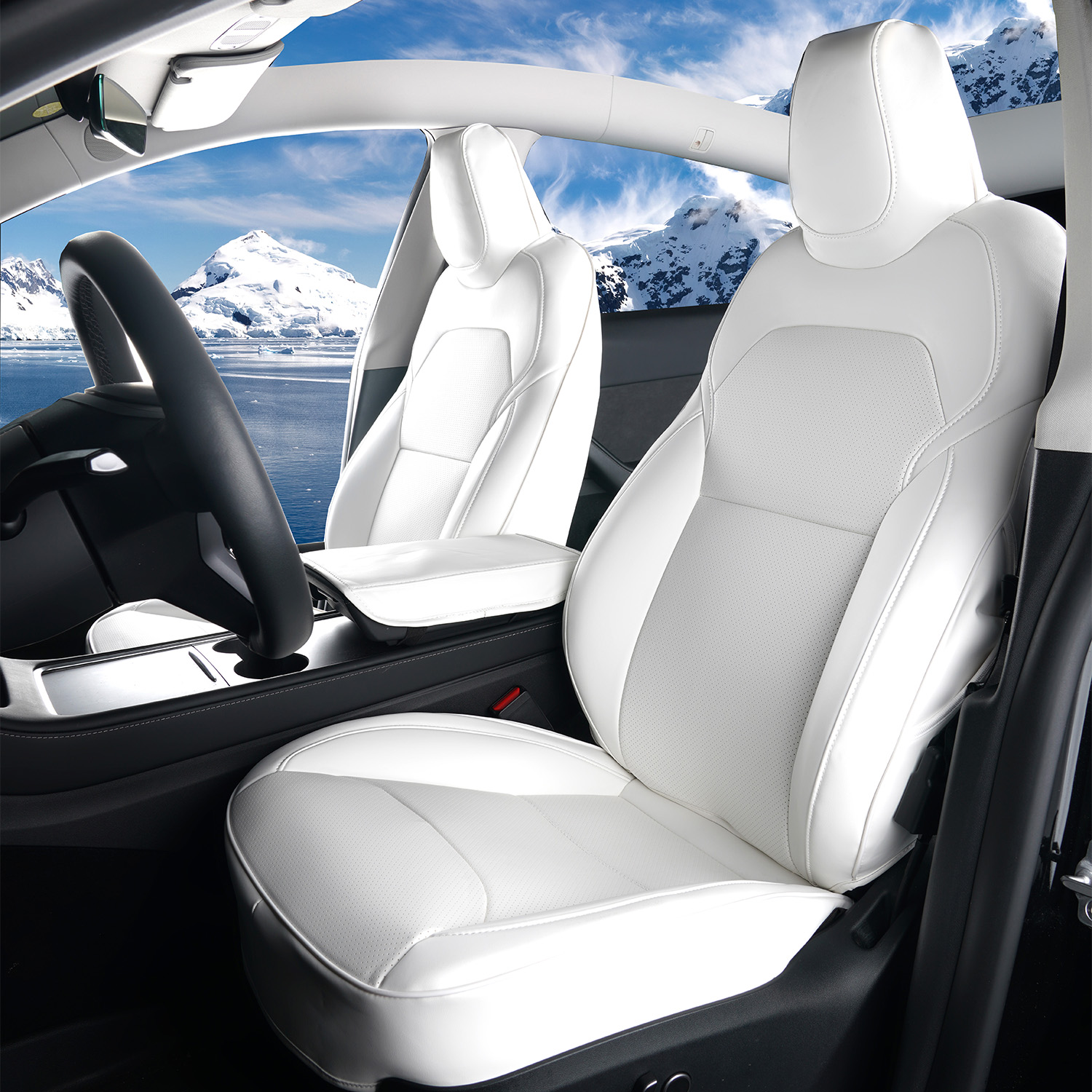
The first thing you notice is how the edges settle into place without any persuasion. There's no flexing a corner, no double-checking whether you lined it up correctly. The cutouts land exactly where they should, and the surface follows the original contour so closely that the seam nearly disappears under your fingertip.
That kind of result doesn't come from casting a loose copy and hoping for the best. The tolerances are held tight enough that buttons keep their click, ports stay fully accessible, and the material doesn't bulge around the curves. It feels less like an add-on and more like the part was always meant to be there, just with a harder-wearing skin.
Better than factory is the part you appreciate later. Where the original equipment often uses materials chosen for cost or mass production, this fit adds just enough refinement to remove the small annoyances people usually accept. You might not think about the product at all after a week, and that quiet sense of it simply working is exactly the point.
Tailored Looks That Match How You Actually Drive
Most style packages assume every driver wants the same aggressive stance, but that ignores how varied real driving actually is. If your miles are mostly stop-and-go city routes, the details that matter are tighter turning visuals, subtle bumper accents, and wheel finishes that still look clean after a rainy commute. The goal is a look that feels purposeful in traffic, not just on a showroom floor.
For long highway runs, small exterior choices change the whole personality of the vehicle. A lower front lip, straighter body lines, and muted trim can make steady-speed driving feel more planted and composed. These are not loud modifications; they are quiet adjustments that line up with the way you merge, pass, and settle into a lane for hours.
Then there are the mixed-use drivers who need a bit of both. Here the tailoring leans toward versatile touches: roof rails that look at home on a weekend trail but do not shout on a weekday commute, or slightly wider tires that add presence without hurting daily comfort. The point is not to follow a preset style, but to let the vehicle reflect the routes you actually take.
Comfort That Handles Heat, Cold, and Daily Wear
Most fabrics force a choice: breathe well in summer or hold warmth in winter. This material does both without feeling bulky, thanks to a weave that opens up as your body heats and closes slightly when the air cools. You notice it most during a commute that starts chilly and ends crowded, or a day that swings from frosted mornings to overheated offices.
Daily wear is where comfort either proves itself or falls apart. The surface resists pilling even where a bag strap rubs all afternoon, and the cuffs keep their shape instead of stretching into floppy bells. After a full season of washing, the color stays deep and the texture softens rather than thinning, so it never develops that tired, papery feel.
What really sets it apart is how little you think about it once it's on. No itch at the collar, no clammy cling during a rush, no stiff scratch after air-drying. It simply moves with you and keeps its temper, which is its own kind of quiet luxury.
Protecting Your Seats Without Hiding Their Best Lines
A good seat cover should feel like a second skin, not a bulky afterthought. The trick is choosing materials and cuts that follow the seat’s contours instead of smothering them. Look for covers with reinforced side panels and slightly stretchy fabric that moves with the bolsters, so the original sculpting still shows through.
Fit matters more than padding. If the cover pulls too tight across the center or bags around the shoulders, it will hide exactly the lines that make the interior feel designed. Go for custom-fit options or adjustable straps that let you keep the seams aligned with the seat’s own stitching.
Finally, think about how the cover attaches. Hidden clips, low-profile zippers, and tucked edges protect against spills and wear without adding visual clutter. That way, the seat keeps its silhouette and you get the practicality you need for daily use.
Small Custom Details That Make Long Drives Feel Shorter
It is rarely the big changes that reshape a road trip. A shift knob that warms to the hand, a door pocket that actually holds a phone without sliding, or a seat that remembers exactly where your knee wants to rest can quietly take hours off the drive. These small custom touches let your body settle into a rhythm instead of constantly adjusting, so the miles begin to blur in the best way.
The details that matter most are the ones you stop noticing after twenty minutes. A slightly angled wireless charger, a cupholder placed within a natural reach, or sun visors that extend just far enough to block the low afternoon glare all remove tiny decisions from the drive. When those micro-adjustments disappear, the trip stops feeling like a sequence of interruptions and starts feeling like one continuous, easier motion.
Customization also changes how passengers experience the same stretch of road. Separate climate zones, a suspension setting tuned for worn highway joints, or even interior lighting that shifts with sunset can keep people relaxed without asking for attention. None of these things shout, but together they nudge a long drive from something you endure into something you simply settle into.
FAQ
They're patterned from the same seat scans used for the factory upholstery, so the side bolsters and headrests sit tight. If you have a Model Y with the wider rear bolsters or a refreshed Model 3, just select that version at ordering because it changes the cut.
The woven fabric is the coolest against bare skin and doesn't get that hot-after-parking feeling. The nappa-style leather looks more finished but can feel warm until the cabin cools down.
No. The heating still comes through, just slightly slower because of the extra layer. The side seams are made to split at the same point as the factory airbag, so they don't stop it from deploying.
Set aside about 45 minutes for the front seats. The trickiest part is tucking the straps under the plastic trim, not the seat itself. The rear bench usually needs the cushion lifted, which is easier than it sounds.
Yes. You can keep the center panels black or cream and only change the piping or stitching to a subtle tone. That tends to read as factory-upgraded rather than loud.
For the leather-style, most messes wipe off with a damp cloth before they set. The fabric version resists pet hair fairly well, but a lint roller or soft brush handles what does stick.
They add a thin cushion layer, so the seat feels slightly softer on long drives but keeps its overall shape. If your factory seats feel too hard, it's a noticeable improvement; if you like them firm, it's subtle.
Conclusion
The difference usually starts with fabric. A stiff, shiny cover can make even a new Tesla feel cheap, while the right woven or textured material settles into the cabin like it was always meant to be there. Fit matters just as much. Instead of loose panels that shift every time you slide in, a precise pattern traces the seat bolsters, headrests, and lower cushions closely enough to look like a factory re-trim. The seams sit where they should, the adjustment controls stay reachable, and the overall shape remains clean rather than padded out. That kind of fit does more than look tidy—it changes how the seat supports you on the road.
From there, the cover can be matched to the way the car is actually driven. A commuter might want a softer, breathable surface for stop-and-go heat, while someone who takes longer trips may prefer a more supportive weave that resists creasing and stays comfortable across temperature swings. Daily wear, spilled coffee, damp jackets, and sun exposure all hit the seats hard, but a well-built cover takes that abuse while preserving the original upholstery underneath. Because it follows the seat’s existing lines, it protects without hiding the design. Details like reinforced stitching on the outer bolster, a slim pocket within easy reach, or a slightly denser foam layer can quietly reduce fatigue over long miles. The goal is not to make the seat feel dressed up. It is to make it feel like your seat, only better suited to the hours you spend in it.
Contact Us
Contact Person: Ms. Zhu
Email: [email protected]
Tel/WhatsApp: 86-15906860931
Website: https://www.redrainseatcovers.com