

Article Summary: Electric minivans are becoming an important transportation solution for families, businesses, and urban mobility services. With lower operating costs, quieter driving experiences, flexible interior space, and cleaner energy usage, they address many challenges faced by traditional fuel-powered vehicles. This guide explains how Electric Minivan technology works, what advantages it offers, how buyers can evaluate the right model, and what factors influence long-term ownership satisfaction. WULING provides practical electric vehicle solutions designed to meet changing transportation needs.
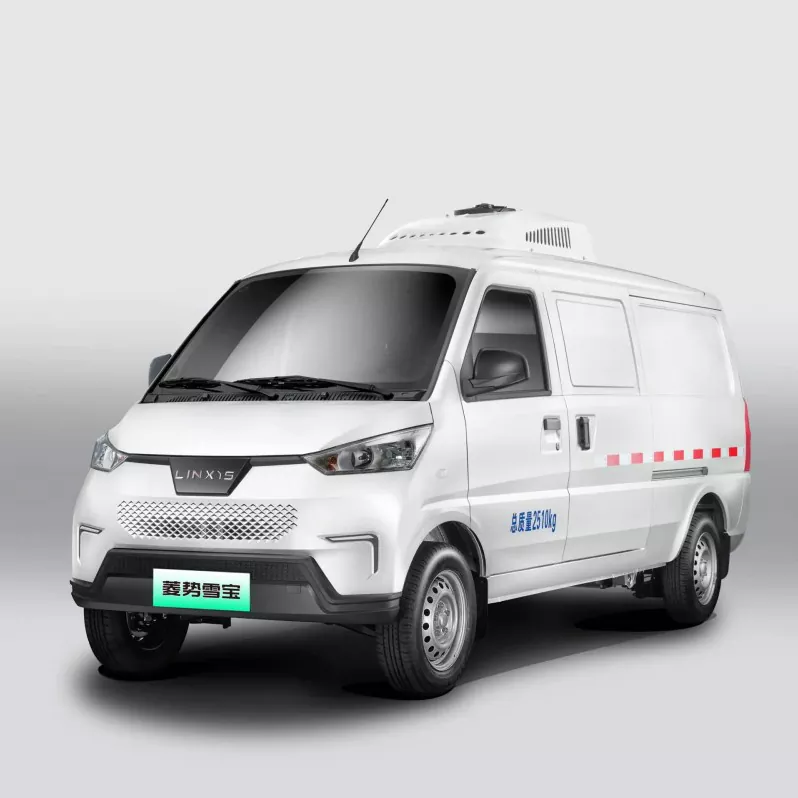
Understanding the Development of Electric Minivans
The demand for smarter and more sustainable transportation has changed the way people think about vehicle design. Traditional minivans have always been valued for their spacious cabins, passenger capacity, and flexible layouts. However, rising fuel costs, environmental concerns, and increasing urban restrictions have encouraged manufacturers to develop more efficient alternatives.
An Electric Minivan combines the practical advantages of a multi-purpose vehicle with electric power technology. Instead of relying on an internal combustion engine, it uses an electric motor powered by a rechargeable battery system. This design provides smooth acceleration, reduced operating noise, and fewer mechanical components that require maintenance.
For families, an Electric Minivan can offer comfortable daily transportation with additional benefits such as easier charging options and lower energy expenses. For commercial users, it can provide an efficient solution for passenger transport, delivery services, and short-distance mobility operations.
How Electric Minivans Solve Common Transportation Problems
Many vehicle buyers face similar challenges: increasing fuel expenses, complicated maintenance schedules, limited interior space, and concerns about environmental impact. Electric minivans are designed to address these issues through improved efficiency and practical vehicle layouts.
Lower Daily Operating Costs
Fuel consumption is one of the largest long-term vehicle expenses. Electric power systems can significantly reduce energy costs because electricity is often more affordable and electric motors operate with high efficiency. For businesses that operate multiple vehicles, these savings can become especially valuable over time.
Quiet and Comfortable Driving Experience
Electric motors produce less mechanical noise compared with traditional engines. This creates a quieter cabin environment, making electric minivans suitable for family travel, airport transportation, shuttle services, and urban passenger applications.
Flexible Interior Space
Minivans are known for their practical layouts. Electric models continue this advantage by offering spacious cabins, adaptable seating arrangements, and storage solutions that support different transportation requirements.
Reduced Maintenance Requirements
Electric vehicles generally have fewer moving parts than gasoline-powered vehicles. Without traditional engine components such as fuel systems and complex transmissions, maintenance procedures can become simpler and more predictable.
Important Features to Consider When Buying an Electric Minivan
Selecting an electric minivan requires more than checking appearance and price. Buyers should evaluate the complete vehicle performance according to their actual usage conditions.
| Feature | Why It Matters |
|---|---|
| Battery Capacity | Determines driving range and affects how frequently charging is required. |
| Passenger Capacity | Ensures the vehicle meets family or commercial transportation needs. |
| Charging Compatibility | Influences charging convenience and daily operation efficiency. |
| Safety Systems | Helps protect passengers during different driving conditions. |
| Interior Design | Provides comfort and practical usability for passengers. |
| Driving Performance | Affects handling, acceleration, and overall user experience. |
Understanding these specifications helps buyers avoid choosing a vehicle based only on short-term factors. A suitable Electric Minivan should match real transportation habits, passenger requirements, and expected operating environments.
Electric Minivan vs Traditional Minivan
Both electric and traditional minivans provide spacious transportation solutions, but their operating characteristics are different.
| Comparison Aspect | Electric Minivan | Traditional Minivan |
|---|---|---|
| Energy Source | Rechargeable electricity | Gasoline or diesel fuel |
| Operating Cost | Usually lower energy expenses | Higher fuel-related costs |
| Noise Level | Quiet electric motor operation | Engine and exhaust noise |
| Maintenance | Fewer mechanical components | More engine-related maintenance |
| Environmental Impact | Supports cleaner transportation | Produces combustion emissions |
The best choice depends on driving distance, charging availability, budget, and personal or business requirements. Electric models are especially attractive for urban and short-distance transportation scenarios.
Where Electric Minivans Can Be Used
The versatility of electric minivans allows them to serve different transportation markets.
- Family Transportation: Spacious seating and comfortable driving make them suitable for daily commuting and family trips.
- Business Shuttle Services: Companies can use electric minivans for employee transportation and customer transfers.
- Urban Mobility: Compact electric designs work well in cities with increasing requirements for cleaner vehicles.
- Commercial Transport: Businesses can adapt electric minivans for passenger services and light logistics.
- Public Service Applications: They can support community transportation and local mobility programs.
How to Choose the Right Electric Minivan
A successful purchase starts with understanding your transportation needs.
Evaluate Driving Distance
Consider your average daily mileage and select a battery range that provides comfortable operation without frequent charging concerns.
Consider Passenger Requirements
Different users require different seating capacities. Families may prioritize comfort, while commercial users may focus on passenger turnover efficiency.
Check Charging Conditions
Charging infrastructure affects convenience. Buyers should understand available charging methods at home, workplaces, or public charging locations.
Review Safety and Quality
Vehicle safety systems, manufacturing quality, and after-sales support are important factors that influence long-term ownership experience.
WULING focuses on developing practical electric mobility solutions that combine user-friendly design with reliable performance.
Maintenance and Ownership Considerations
Although electric vehicles require less routine maintenance than conventional vehicles, proper care remains important.
- Follow recommended battery inspection and charging practices.
- Maintain tires, brakes, suspension, and safety systems regularly.
- Use suitable charging equipment and avoid improper charging conditions.
- Keep vehicle software and control systems updated when applicable.
- Schedule professional inspections according to usage conditions.
Battery health is one of the most important factors affecting electric vehicle performance. Proper charging habits and regular inspections can help maintain stable operation throughout the vehicle lifecycle.
Frequently Asked Questions
Q1: What is an Electric Minivan?
An Electric Minivan is a multi-purpose vehicle powered by an electric motor and battery system. It combines spacious interior design with electric driving technology.
Q2: Why are electric minivans becoming popular?
They provide lower operating costs, quieter driving, flexible space, and cleaner energy usage, making them suitable for modern transportation needs.
Q3: Are electric minivans suitable for families?
Yes. Their spacious cabins, comfortable seating, and smooth driving performance make them practical for family transportation.
Q4: Can electric minivans be used commercially?
Yes. They can support shuttle services, passenger transport, and other commercial applications requiring efficient short-distance mobility.
Q5: How long does an electric minivan battery last?
Battery lifespan depends on battery technology, usage conditions, charging habits, and maintenance practices.
Q6: How can I select a suitable electric minivan?
Consider driving range, passenger capacity, charging conditions, safety features, and manufacturer support before making a decision.
Choose Reliable Electric Mobility with WULING
The Electric Minivan is becoming an important solution for families, businesses, and modern transportation systems. By combining practical space, efficient electric power, and comfortable driving performance, it helps users achieve a smarter and more economical travel experience.
WULING is committed to providing high-quality electric vehicle solutions designed for different mobility requirements. If you are looking for detailed product information, customized transportation solutions, or professional assistance, please visit WULING and contact us to discuss your requirements.