

How Do Electric Forklift Trucks Perform in Cold Storage and Freezer Environments
2026-03-31
When temperatures drop to -20°F or lower, material handling equipment faces extreme challenges. Electric Forklift Trucks have evolved significantly, and at JABIL, we have observed firsthand how modern engineering enables these machines to perform reliably in the most demanding cold storage and freezer applications. Understanding their capabilities, limitations, and best practices is essential for operations seeking efficiency without compromising safety or equipment longevity.
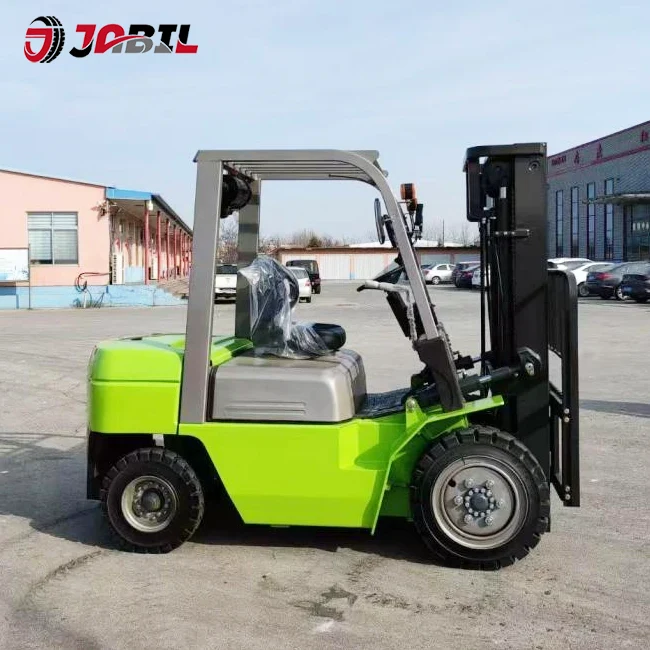
Critical Performance Factors in Sub-Zero Conditions
Cold storage environments impose unique stresses on Electric Forklift Trucks. Battery efficiency, hydraulic fluid viscosity, tire traction, and component condensation all require specialized attention. The table below outlines the primary performance considerations:
| Factor | Cold Storage (32°F to 50°F) | Freezer (-20°F to 32°F) | Recommended Solution |
|---|---|---|---|
| Battery Capacity | 10–15% reduction | 20–30% reduction | Lithium-ion batteries with cold-optimized BMS |
| Hydraulic Systems | Slightly thicker fluid | Significant viscosity increase | Low-temperature hydraulic fluid and pre-heat cycles |
| Tire Compound | Standard polyurethane acceptable | Hardening risks | Cold-resistant polyurethane or steel-reinforced tires |
| Condensation Risk | Moderate | High (upon exiting freezer) | Sealed electrical components and controlled transitions |
| Operator Comfort | Heated cabin optional | Heated cabin essential | Enclosed cabs with integrated heating systems |
Engineering Adaptations for Extreme Cold
Modern Electric Forklift Trucks designed for freezer environments incorporate several critical adaptations. JABIL integrates advanced thermal management systems that regulate battery temperature, ensuring consistent power delivery even during extended shifts. Cold storage models typically feature:
-
Sealed electrical connectors to prevent moisture ingress and corrosion
-
Low-temperature lubricants that maintain flow properties at -20°F
-
Enhanced thermal insulation around sensitive electronic controllers
-
Programmable performance modes that gradually ramp up hydraulic functions to prevent component stress
These engineering solutions ensure that Electric Forklift Trucks maintain productivity without the emissions and maintenance burdens associated with internal combustion alternatives.
Electric Forklift Trucks FAQ Common Questions
What is the maximum operating temperature range for electric forklift trucks in freezer environments?
Most purpose-built Electric Forklift Trucks are rated for continuous operation in ambient temperatures as low as -20°F to -30°F. However, this depends on several factors including battery chemistry, hydraulic fluid specifications, and whether the truck is equipped with a heated cabin and thermal management systems. Lithium-ion battery-powered models generally outperform traditional lead-acid batteries in sub-zero conditions, retaining up to 80% of their rated capacity at -20°F when equipped with internal heating pads and insulated battery compartments. For applications requiring consistent performance below -20°F, manufacturers often recommend additional cold-weather packages that include heated hydraulic reservoirs, cab enclosures, and upgraded thermal monitoring. It is critical to consult the truck’s specific cold storage certification rather than assuming general-purpose electric models will perform reliably in sustained freezer conditions.
How does battery charging infrastructure need to change for cold storage electric forklift trucks?
Charging Electric Forklift Trucks used in cold storage requires strategic infrastructure planning. Batteries should never be charged in sub-freezing temperatures unless the battery management system is specifically designed for cold charging. Lithium-ion batteries with integrated heating elements can safely accept charge once the internal cell temperature reaches approximately 32°F to 41°F. In practice, this means either charging the trucks inside a designated temperature-controlled charging room maintained at 50°F to 70°F, or selecting Electric Forklift Trucks equipped with onboard battery heaters that precondition the battery before charging begins. Opportunity charging during shifts—such as during operator breaks—is common with lithium-ion models, but the charging station must be located in a climate-controlled area or the truck must remain within a warmer staging zone long enough for the battery to reach safe charging temperatures. Failure to manage charging temperatures can result in permanent battery capacity loss, increased charging times, and safety risks.
What maintenance schedule differences apply to electric forklift trucks in freezer operations?
Electric Forklift Trucks operating in freezer environments require significantly more frequent maintenance intervals compared to those in ambient conditions. Critical areas include daily inspection of electrical connections for moisture-related corrosion, weekly hydraulic system checks to detect fluid thickening or seal degradation, and monthly thermal imaging of motor and controller components to identify insulation breakdown. Battery terminals require cleaning at double the frequency due to increased condensation cycles. Additionally, wheel bearings and pivot points in freezer-rated Electric Forklift Trucks typically need lubrication every 200 operating hours rather than the standard 500-hour interval. Condensation management is particularly crucial: when Electric Forklift Trucks transition between freezer and ambient zones, moisture accumulation can damage sensitive electronics. A disciplined maintenance protocol that includes scheduled drying cycles, desiccant replacement in sealed enclosures, and torque verification on all electrical connections will extend equipment life by 30% or more in cold storage applications.
Maximizing ROI with Cold Storage Electric Forklift Trucks
Investing in purpose-built Electric Forklift Trucks for cold storage yields measurable returns. Reduced downtime, lower energy costs compared to propane or diesel alternatives, and elimination of indoor emissions create a safer, more efficient work environment. JABIL cold storage solutions integrate telematics that monitor battery health, component temperatures, and operational cycles in real time, enabling predictive maintenance that prevents costly failures.
Operations that transition to Electric Forklift Trucks in freezer environments typically report 15–20% lower total cost of ownership over five years, driven by reduced fuel expenses, fewer maintenance interventions, and improved operator retention due to enhanced comfort and safety.
Contact Us
Ready to optimize your cold storage operations with high-performance Electric Forklift Trucks tailored to extreme environments? Contact JABIL today to schedule a facility assessment and discover how our engineered material handling solutions can improve your throughput, reduce operating costs, and ensure reliable performance in even the harshest conditions.