

How Does an Aspirator Suction Gun Improve Efficiency in a Texturing Machine?
2026-11-19
Article Summary
In modern textile manufacturing, maintaining stable yarn handling and minimizing production interruptions are essential for efficient texturing operations. An aspirator suction gun for a texturing machine is a specialized pneumatic tool designed to draw in, guide, and transport synthetic filament yarn using compressed air. It plays an important role in yarn threading, bobbin changing, broken-yarn handling, and waste yarn removal.
However, insufficient suction, excessive compressed air consumption, frequent yarn blockages, and incompatible equipment can affect production efficiency. Understanding how an aspirator suction gun works and how to select, operate, and maintain it helps textile manufacturers improve daily production operations. This guide explores its working principle, major components, applications, selection criteria, troubleshooting methods, and maintenance recommendations.
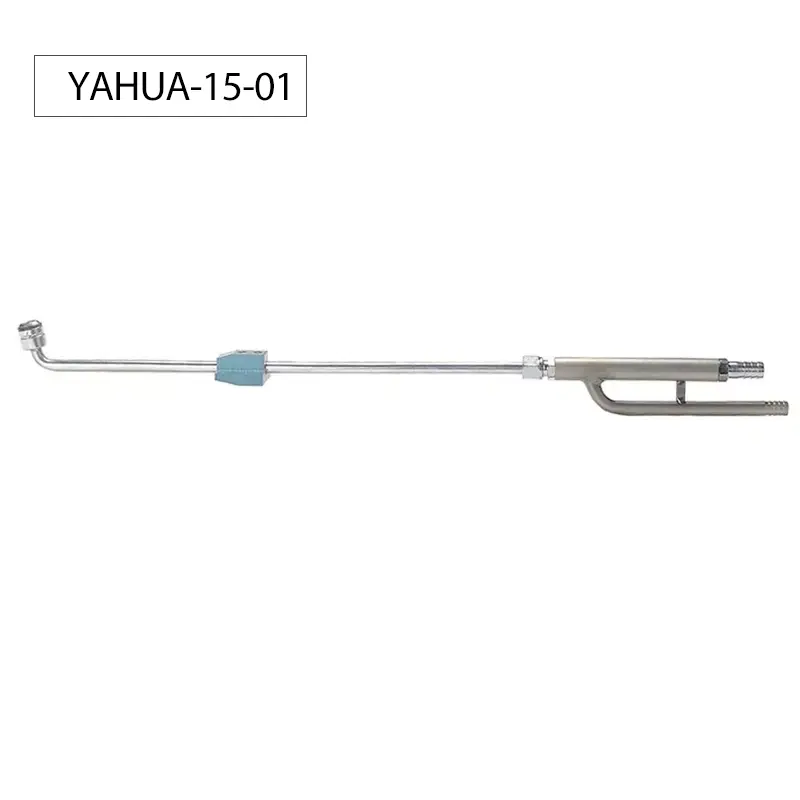
1. What Is an Aspirator Suction Gun for a Texturing Machine?
An aspirator suction gun for a texturing machine is a pneumatic yarn-handling device used in synthetic fiber processing. It generates suction through compressed air to capture and transport continuous filament yarn, including polyester and nylon yarn, during different production operations.
In draw texturing processes, commonly associated with Draw Textured Yarn (DTY) production, filament yarn passes through several processing stages involving feeding, drawing, heating, cooling, false twisting, and winding. During these operations, yarn must be guided through designated machine components accurately and efficiently.
Manually handling fine or moving filaments can be difficult, particularly when production lines operate at high speeds. A suction gun provides a controlled method of capturing the yarn end and directing it through the required yarn path.
It can also remove broken yarn and production waste from the machine area, helping operators maintain a cleaner working environment.
What Makes It Different from an Ordinary Air Gun?
An ordinary air gun is primarily designed to release compressed air for blowing or cleaning. An aspirator suction gun, by contrast, uses a specially designed internal nozzle and airflow passage to generate suction at its inlet.
This difference is important in textile production. Instead of simply blowing loose fibers around the machine, the suction gun draws yarn into a controlled passage and conveys it toward a designated outlet or waste collection system.
2. How Does an Aspirator Suction Gun Work?
The working principle of an aspirator suction gun is based on pneumatic jet flow and the Venturi effect. When compressed air passes through specially designed nozzle openings at high velocity, it produces a low-pressure region that draws surrounding air and yarn into the suction inlet.
The resulting airflow transports the captured yarn through the internal passage and out of the discharge end.
Step-by-Step Working Principle
-
Compressed Air Supply
Compressed air enters the gun through its air inlet. A trigger or control valve regulates the airflow according to the gun design. -
High-Speed Airflow Generation
The air passes through the internal nozzle or air injection passages, creating a high-velocity jet. -
Negative Pressure Formation
The high-speed airflow produces a low-pressure region near the suction opening, allowing surrounding air to carry the yarn into the gun. -
Yarn Capture and Acceleration
The captured filament enters the internal passage and is accelerated by the moving airflow. -
Yarn Transportation
The airflow carries the yarn through the discharge tube toward the intended yarn path or waste collection container.
Why Is Nozzle Design Important?
The nozzle is one of the most important parts of a suction gun. Its geometry influences suction performance, airflow distribution, yarn transportation, and compressed air consumption.
An unsuitable nozzle may produce insufficient suction, unstable airflow, or excessive air consumption. The internal passage must also provide a suitable path for the yarn to travel without unnecessary friction or obstruction.
For texturing applications, the nozzle and yarn passage should be matched to the filament type, yarn size, production conditions, and intended operation.
3. Why Is an Aspirator Suction Gun Important in Textile Production?
Texturing machines require consistent yarn handling throughout the production process. When yarn breaks, packages are changed, or production restarts, operators need a practical way to capture and guide the filament.
A suitable aspirator suction gun helps address several common production challenges.
Helps operators capture yarn ends and guide filaments through designated machine passages during startup and restart operations.
Provides pneumatic assistance for handling fine, moving filaments that are difficult to control manually.
Collects broken yarn and loose filament waste instead of allowing material to accumulate around machine components.
Supports faster recovery after yarn breaks and package changes, helping operators restore normal production more efficiently.
Helps maintain cleaner equipment areas by directing loose yarn toward a designated collection point.
Suitable configurations can accommodate different synthetic filament types and production requirements.
These advantages are particularly relevant to textile factories running multiple texturing machines, where frequent yarn handling operations can consume considerable operator time.
4. Main Applications in the Texturing Process
An aspirator suction gun can support several operations in polyester and nylon texturing production. Understanding these applications helps buyers determine the appropriate product configuration.
4.1 Yarn Threading and Head Drawing
During machine startup or after a yarn break, operators need to introduce the filament into the correct processing route. A suction gun captures the yarn end and helps guide it through rollers, heaters, cooling components, and other designated passages, depending on the machine configuration.
Reliable suction is especially important when handling fine filaments that can easily become tangled or misplaced.
4.2 Bobbin Changing
When a yarn package reaches its target winding condition, the full bobbin must be replaced with an empty one. The suction gun helps hold and transport the yarn during this changeover process.
It provides a convenient method for controlling the filament while the operator completes the required package replacement and yarn connection steps.
4.3 Broken Yarn Removal
Yarn breaks may occur because of unstable tension, damaged guides, processing conditions, or other production factors. Broken filament can become entangled around machine components if it is not removed promptly.
An aspirator suction gun helps collect loose yarn and transport it away from the working area, reducing unnecessary manual cleaning.
4.4 Waste Yarn Collection
During continuous production, small quantities of waste yarn and loose filament may accumulate around the texturing equipment. A suitable suction gun can convey these materials through a connected discharge hose into a collection container.
This arrangement helps improve housekeeping and reduces the chance of loose yarn interfering with moving machine components.
4.5 Different Synthetic Filament Applications
Depending on its design and configuration, an aspirator suction gun can be used for different synthetic fiber materials.
| Yarn Type | Typical Application | Selection Consideration |
|---|---|---|
| Polyester (PET) | DTY threading and waste yarn removal | Filament specification and yarn speed |
| Nylon (PA) | Yarn guiding and broken filament handling | Yarn characteristics and suction stability |
| Polypropylene (PP) | Compatible synthetic filament handling | Yarn structure and passage dimensions |
| Other Synthetic Fibers | Specialized pneumatic yarn handling | Material compatibility and equipment requirements |
The final application suitability should always be confirmed with the supplier according to the actual fiber material and operating conditions.
5. Key Components and Their Functions
The construction of an aspirator suction gun directly affects its handling comfort, suction stability, service life, and maintenance requirements.
Although internal designs vary between manufacturers and models, a typical pneumatic suction gun includes the following components.
| Component | Function | Important Consideration |
|---|---|---|
| Gun Body | Supports the internal pneumatic structure. | Strength, weight, and durability. |
| Air Inlet | Connects the gun to the compressed air supply. | Connection size and compatibility. |
| Air Nozzle | Controls the compressed air jet. | Precision and wear resistance. |
| Suction Head | Captures yarn and directs it into the gun. | Opening diameter and yarn compatibility. |
| Internal Passage | Guides yarn and moving air through the gun. | Smoothness and blockage resistance. |
| Discharge Outlet | Releases transported yarn and airflow. | Outlet dimensions and hose connection. |
| Trigger or Valve | Controls compressed air activation. | Operating convenience and sealing performance. |
Materials and Manufacturing Quality
The gun body and nozzle materials should withstand repeated handling, airflow, friction, and the working environment of textile production facilities.
Aluminum alloy is commonly used for lightweight gun bodies, while stainless steel may be selected for nozzle components that require good wear resistance and dimensional stability.
Precision machining is equally important. Poorly finished internal passages or inconsistent nozzle dimensions can influence airflow characteristics and reduce operating reliability.
Yahua Chemical Fiber Machinery Co., Ltd. focuses on suction gun manufacturing and textile machinery accessories. Its manufacturing experience includes improvements to suction gun heads, airflow-related structural arrangements, and yarn discharge performance.
6. How to Choose the Right Aspirator Suction Gun for a Texturing Machine
Choosing the correct suction gun is not simply a matter of finding a product with strong suction. The equipment must match the texturing machine, filament characteristics, compressed air supply, and actual production tasks.
6.1 Identify the Machine Model
Start by identifying the manufacturer and model of the texturing machine. Different machines may have different yarn paths, installation spaces, air connections, and operating requirements.
Common equipment brands in the synthetic fiber industry include Barmag, Murata, and TMT. However, compatibility should be verified for the specific machine model rather than assumed from the brand name alone.
6.2 Confirm the Yarn Material
Polyester and nylon yarns can have different filament structures, friction characteristics, and handling requirements. The suction gun should be suitable for the actual yarn material and specification.
6.3 Check Yarn Size and Filament Characteristics
Yarn denier, dtex, filament count, and bundle characteristics can influence the required suction passage dimensions.
A passage that is too narrow may increase the risk of yarn blockage, while an unsuitable oversized opening may affect yarn capture and handling stability.
6.4 Confirm the Compressed Air Supply
Operating air pressure and air consumption are important selection factors. The available plant air supply must meet the gun manufacturer's requirements under actual operating conditions.
Insufficient pressure can reduce suction performance, while excessive pressure may increase energy consumption and potentially affect yarn handling.
6.5 Evaluate Handling Comfort
Operators may use suction guns repeatedly throughout a production shift. Weight, grip design, trigger position, and overall balance therefore influence practical usability.
6.6 Check Spare Parts Availability
Replaceable nozzles, connection components, and other service parts can help simplify maintenance. Buyers should confirm which components are replaceable and whether compatible spares are available.
7. Important Performance Factors
Several technical factors determine whether an aspirator suction gun can operate effectively in a texturing production environment.
Suction Force and Airflow Velocity
Suction force must be sufficient to capture and transport the yarn under the intended operating conditions. Airflow velocity and the pressure difference generated inside the gun influence its ability to handle different filament specifications.
However, stronger suction does not always mean better performance. Excessive airflow or unsuitable yarn tension can make handling difficult. The target should be stable yarn capture with appropriate air consumption.
Compressed Air Consumption
Compressed air is an important operating cost in textile factories. If a suction gun consumes excessive air, the cumulative energy cost can become significant when many machines operate simultaneously.
A well-designed pneumatic structure should balance suction performance with reasonable air consumption.
Internal Passage Smoothness
Yarn must travel through the gun without unnecessary friction or obstruction. Smooth internal surfaces and suitable passage geometry help reduce filament accumulation and blockage risks.
Weight and Ergonomics
A lightweight, well-balanced suction gun is easier to control during repetitive threading and waste removal tasks. Comfortable operation can reduce operator fatigue during long production shifts.
Performance Evaluation Checklist
- Stable suction under the specified air pressure.
- Suitable airflow and yarn transportation performance.
- Reasonable compressed air consumption.
- Compatible suction inlet and discharge dimensions.
- Durable gun body and nozzle materials.
- Convenient trigger operation and comfortable handling.
- Reliable performance during repeated production cycles.
- Accessible spare parts and maintenance support.
8. How to Operate and Install the Suction Gun
Correct installation and operation help maintain consistent suction and reduce unnecessary equipment problems. The following procedures provide a general guide; the specific product manual and machine manufacturer's instructions should always take priority.
Before Installation
- Check the suction gun model and confirm its compatibility with the texturing machine.
- Inspect the air inlet, nozzle, and internal passage for visible damage or foreign materials.
- Confirm that the compressed air supply meets the specified operating requirements.
- Check the hose and connectors for leaks or damage.
- Ensure that the discharge route is clear and properly positioned.
Basic Operating Procedure
-
Connect the Air Supply
Attach the suction gun to the approved compressed air line using the correct connector. -
Check Air Pressure
Confirm the operating pressure using a suitable pressure gauge and follow the manufacturer's specified range. -
Test the Suction
Activate the gun briefly and verify that the suction inlet produces the expected airflow. -
Position the Yarn
Bring the yarn end close to the suction inlet according to the machine's threading procedure. -
Guide the Filament
Use the suction airflow to capture and transport the yarn through the required path. -
Complete the Operation
After threading or waste removal, release the trigger and place the gun in its designated storage position.
9. Maintenance Tips for Long-Term Performance
Regular maintenance helps prevent suction loss, yarn blockage, and premature component wear. Although a suction gun is relatively compact, it operates in an environment where loose filaments, dust, and repeated mechanical handling can affect its performance.
Daily Inspection
- Check the air hose and connector for leakage.
- Inspect the suction inlet for accumulated yarn or lint.
- Confirm that the trigger or control valve operates normally.
- Check for visible cracks, deformation, or loose components.
Periodic Cleaning
Filament fragments and dust may accumulate inside the suction passage over time. Disconnect the compressed air supply before cleaning, and use an approved cleaning method to remove deposits.
Avoid inserting sharp or oversized objects that could damage the nozzle or alter its internal dimensions.
Check Nozzle Condition
Because the nozzle controls the compressed air jet, wear or damage may influence suction performance. Inspect the nozzle for deformation, contamination, or visible wear.
Inspect Air Connections
Loose connections and damaged hoses can cause pressure losses. Check connection seals and replace worn components when necessary.
Suggested Maintenance Schedule
| Frequency | Inspection Item | Purpose |
|---|---|---|
| Daily | Air hose, connectors, trigger, suction inlet | Identify visible operating problems. |
| Weekly | Internal passage and nozzle cleanliness | Prevent filament accumulation. |
| Monthly | Nozzle condition and air leakage | Identify developing wear and pressure losses. |
| As Required | Component replacement and performance testing | Restore normal operating performance. |
This is a general maintenance reference rather than a fixed replacement schedule. Actual inspection intervals should be adjusted according to usage frequency, working conditions, and the manufacturer's recommendations.
10. Common Problems and Troubleshooting
When a suction gun does not perform as expected, checking the pneumatic supply, nozzle, and yarn passage is a practical starting point.
| Problem | Possible Cause | Recommended Solution |
|---|---|---|
| Weak Suction | Low air pressure, leakage, or blocked nozzle. | Check the air supply, connections, and internal passage. |
| Unstable Suction | Fluctuating air pressure or inconsistent air supply. | Inspect the compressor system, regulator, and hoses. |
| Yarn Blockage | Accumulated filament or unsuitable passage dimensions. | Disconnect the air supply and clean the passage. |
| Excessive Air Consumption | Incorrect operating pressure or air leakage. | Check the pressure setting and inspect connections. |
| Yarn Frequently Escapes | Incorrect positioning or unsuitable suction performance. | Check the inlet position and verify model suitability. |
| Reduced Performance Over Time | Nozzle wear, contamination, or damaged components. | Inspect and clean the gun, replacing damaged parts when necessary. |
| Air Leakage | Loose fittings, damaged seals, or worn valves. | Replace faulty seals and tighten compatible connections. |
How to Diagnose Insufficient Suction
If the suction gun cannot capture yarn reliably, avoid immediately increasing the air pressure. Excessive pressure may increase air consumption without solving the underlying problem.
Instead, follow a systematic inspection process:
- Measure the actual pressure at the gun inlet while the gun is operating.
- Inspect the air hose, fittings, and control valve for leakage.
- Check the nozzle for dust, filament deposits, or deformation.
- Inspect the suction opening and discharge passage for blockage.
- Confirm that the yarn size and machine application match the gun specifications.
If performance remains unstable after these checks, consult the manufacturer for technical evaluation.
11. How to Improve Production Efficiency with the Right Suction Gun
Selecting a suitable aspirator suction gun is only one part of improving texturing machine efficiency. Its performance also depends on the compressed air system, operator procedures, machine configuration, and preventive maintenance practices.
Optimize the Compressed Air System
Maintain stable air pressure and ensure that the compressed air supply has sufficient capacity for all connected equipment. Air leaks in the factory distribution system should be identified and repaired promptly.
Use Application-Matched Equipment
Different yarn materials and machine configurations may require different suction gun designs. Avoid using an unsuitable model simply because its connector appears to fit.
Standardize Threading Procedures
Consistent operating procedures help operators perform yarn threading and changeover tasks more efficiently. Training should cover correct gun positioning, airflow activation, yarn guidance, and safe handling.
Maintain a Spare Parts Inventory
Keeping suitable replacement components available can reduce delays when a nozzle, connector, or other serviceable part becomes damaged.
Work with an Experienced Manufacturer
A manufacturer familiar with chemical fiber machinery can help evaluate equipment compatibility and recommend an appropriate suction gun configuration.
Yahua Chemical Fiber Machinery Co., Ltd. specializes in yarn suction guns and related chemical fiber machinery accessories. Its product range includes suction guns for different spinning and texturing applications, supporting the needs of textile manufacturers and equipment users.
For buyers sourcing an aspirator suction gun for a texturing machine, discussing the specific machine model, yarn type, operating air pressure, and connection requirements with the manufacturer is a practical way to improve product matching.
12. Frequently Asked Questions
Q1. What is an aspirator suction gun used for in a texturing machine?
It is used to capture, guide, and transport synthetic filament yarn during threading, bobbin changing, broken-yarn removal, and waste collection operations in textile production.
Q2. How does an aspirator suction gun generate suction?
It uses compressed air passing through specially designed nozzle passages to create a low-pressure region near the suction inlet. The resulting airflow draws yarn into the gun and transports it through the internal passage.
Q3. Which yarn materials can a texturing machine suction gun handle?
Depending on its design, it can handle synthetic filament materials such as polyester and nylon. Other compatible fibers may also be supported after confirming the yarn characteristics and product specifications.
Q4. Can an aspirator suction gun be used with Barmag or Murata texturing machines?
Suitable suction gun models can be used with certain Barmag and Murata equipment. Buyers should provide the exact machine model and connection requirements to verify compatibility before ordering.
Q5. What causes insufficient suction in a yarn suction gun?
Common causes include insufficient compressed air pressure, leaking connections, a blocked nozzle, internal contamination, or an unsuitable gun configuration. Checking the complete pneumatic system is recommended.
Q6. How can compressed air consumption be reduced?
Use a correctly matched suction gun, maintain the specified operating pressure, repair air leaks, and keep the internal nozzle clean. Avoid operating the gun at unnecessarily high pressure.
Q7. How often should an aspirator suction gun be cleaned?
Cleaning frequency depends on production conditions and the amount of fiber dust and loose yarn generated. Inspect the suction inlet regularly and clean the internal passage whenever accumulation begins to affect performance.
Q8. What materials are commonly used to manufacture suction guns?
Aluminum alloy is commonly used for lightweight gun bodies, while stainless steel may be used for nozzle components requiring wear resistance and dimensional stability. The exact materials depend on the product design.
Q9. Can the suction gun be customized for different texturing machines?
Depending on the manufacturer's capabilities, customization may include nozzle dimensions, air inlet connections, discharge outlet sizes, overall dimensions, and other application-specific requirements.
Q10. What information should buyers provide when requesting a quotation?
Buyers should provide the machine brand and model, yarn material, yarn specification, intended application, required air pressure, connection dimensions, and any existing suction gun drawings or photographs.
Q11. How can operators extend the service life of a suction gun?
Regularly inspect the nozzle, clean the internal passage, maintain stable compressed air pressure, prevent accidental impact, and replace worn components according to the manufacturer's instructions.
Q12. Why is nozzle precision important for suction gun performance?
The nozzle controls the direction and characteristics of the compressed air jet. Its dimensions and internal geometry influence suction performance, yarn transportation, and air consumption. Accurate manufacturing helps maintain consistent operation.
Conclusion: Improving Texturing Operations with the Right Aspirator Suction Gun
An aspirator suction gun is a small but important accessory in modern synthetic fiber production. By using compressed air to generate suction, it helps operators handle yarn threading, bobbin changing, broken filaments, and waste removal more conveniently.
However, reliable performance depends on more than suction strength. Nozzle design, airflow stability, compressed air consumption, internal passage dimensions, material quality, and machine compatibility all influence the overall user experience.
For textile manufacturers and industrial buyers, selecting a suitable product and maintaining it correctly can help reduce unnecessary production interruptions, improve yarn handling efficiency, and support a cleaner working environment.
When sourcing an aspirator suction gun for a texturing machine, working with an experienced supplier is an important step toward finding a practical solution for your production requirements.
Looking for a Reliable Aspirator Suction Gun Manufacturer?
Yahua Chemical Fiber Machinery Co., Ltd. specializes in yarn suction guns and chemical fiber machinery accessories for textile production applications.
Whether you need an aspirator suction gun for polyester or nylon texturing, yarn threading, bobbin changing, or waste yarn removal, our team can help you explore a suitable product solution.
Have a specific machine model or customization requirement? Contact us today with your technical specifications and application details. Let Yahua support your textile production needs with practical suction gun solutions.
Contact Us