

Article Summary: A Jeep car is more than a vehicle with a distinctive grille and rugged appearance. The term is commonly used for vehicles from the Jeep brand, whose history is closely connected with four-wheel-drive transportation, off-road capability and recreational driving. From compact SUVs for daily commuting to highly capable off-road models, the modern Jeep lineup covers a broad range of driving needs. This guide explains what defines a Jeep car, how its 4x4 capability works in practical terms, what to consider when choosing one, and how owners can protect performance and comfort over time. For buyers, dealers, fleet operators and automotive enthusiasts, understanding the vehicle's intended use is the key to making a sensible decision.
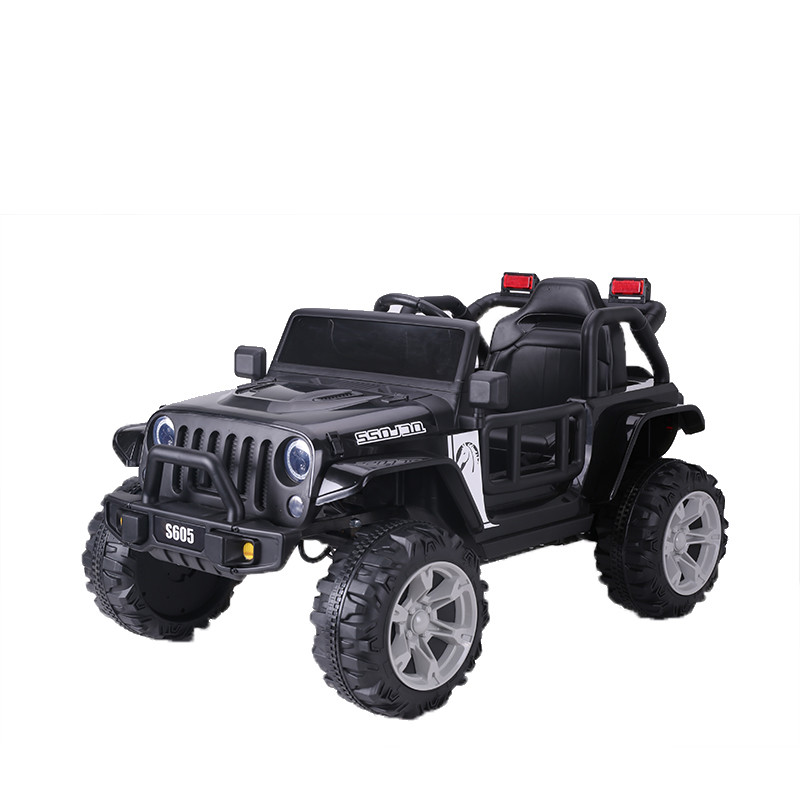
What Is a Jeep Car?
A Jeep car generally refers to a vehicle produced under the Jeep brand, a name strongly associated with SUVs, four-wheel-drive systems and off-road driving. The brand's history goes back to the early four-wheel-drive vehicles developed around 1940, and Jeep's own historical records describe the original 4x4 as an important foundation of the brand's identity. Over the following decades, the range expanded from simple utility vehicles into SUVs designed for commuting, family transportation, recreation and demanding terrain.
That history explains why the phrase "Jeep car" can describe vehicles with very different personalities. A Wrangler is designed around open-air driving and serious off-road use, while models such as the Compass are positioned toward compact SUV buyers. Larger vehicles such as the Grand Cherokee and Grand Wagoneer add more passenger space, comfort and road-oriented equipment.
The important point: not every Jeep car is intended for the same type of driving. A buyer should look beyond the badge and consider vehicle size, drivetrain, ground clearance, passenger requirements, cargo needs, road conditions and expected maintenance.
How the Jeep Car Developed
Jeep's development is closely tied to the evolution of four-wheel-drive vehicles. The brand traces its origins to 1940, when the first "Quad" 4x4 appeared. During the decades that followed, Jeep vehicles moved from military and utility applications into civilian transportation, recreation and family use.
The 1970s brought an important development with the introduction of the Quadra-Trac full-time four-wheel-drive system. The 1980s Cherokee XJ then helped establish the compact SUV format, while the 1990s Grand Cherokee demonstrated that an SUV could combine on-road comfort with off-road capability.
During the 2000s, the product range became much broader. Wrangler, Wrangler Unlimited, Grand Cherokee, Commander, Compass and Patriot addressed different combinations of passenger capacity, size, comfort and terrain capability. The Wrangler in particular retained a strong connection to the classic Jeep design, including removable doors, convertible roof options and a traditional off-road layout.
Today, the Jeep lineup extends into compact SUVs, family-oriented SUVs, off-road vehicles, pickups and electrified models. The current range listed by Jeep includes the Compass, Cherokee, Wrangler, Grand Cherokee, Gladiator, Grand Wagoneer, Wagoneer S and Recon.
What Defines a Jeep Car Today?
There is no single mechanical specification that defines every Jeep car. Instead, the common thread is a combination of SUV practicality, distinctive styling and a strong emphasis on capability. The exact balance changes from one model to another.
1. Four-Wheel-Drive Capability
Four-wheel-drive technology remains one of the most recognizable elements of the Jeep identity. Depending on the vehicle, the drivetrain can be designed for everyday road conditions, slippery surfaces, towing or more demanding off-road environments.
2. Ground Clearance and Terrain Management
Off-road-focused vehicles need enough clearance to avoid obstacles beneath the chassis. Suspension articulation, traction management and drivetrain calibration also influence how a vehicle behaves on loose or uneven ground.
3. Practical SUV Packaging
A Jeep car can also serve ordinary transportation needs. Depending on the model, buyers can find two-row or three-row seating, useful cargo areas, modern infotainment systems and comfort features suitable for longer highway journeys.
4. A Distinctive Exterior
The upright proportions, seven-slot grille and round headlamp design have become recognizable visual elements of Jeep vehicles. These details connect newer vehicles with the brand's historical design language.
How Does 4x4 Capability Matter in Real Driving?
Four-wheel drive is often discussed as though it automatically makes a vehicle better in every situation. In reality, its value depends on where and how the vehicle is driven.
On loose gravel, mud, snow, sand or uneven trails, distributing driving force through multiple wheels can help maintain traction. However, drivetrain capability is only one part of the equation. Tires, vehicle weight, ground clearance, suspension movement, driver technique and terrain conditions all influence actual performance.
| Driving Environment | Important Vehicle Characteristics | Practical Consideration |
|---|---|---|
| City roads | Comfort, visibility, turning radius, fuel efficiency | Off-road hardware may not be the main priority |
| Highway travel | Ride quality, cabin noise, stability, cargo space | Long-distance comfort becomes more important |
| Snow and loose surfaces | Traction management, suitable tires, drivetrain control | Road conditions and tire quality remain critical |
| Off-road trails | Ground clearance, articulation, traction, approach geometry | Vehicle capability should match the actual terrain |
| Heavy-duty recreational use | Durable suspension, cooling, recovery equipment and tires | Inspection and maintenance become increasingly important |
Jeep describes Trail Rated capability around five performance areas: traction, ground clearance, maneuverability, articulation and water fording. These categories provide a useful way to understand why a vehicle intended for serious off-road driving requires more than simply having four driven wheels.
Understanding Different Jeep Car Types
One of the most common mistakes when researching a Jeep car is treating every model as though it serves the same purpose. The current lineup covers several vehicle categories, so the right starting point is the intended use rather than the appearance of the vehicle.
| Vehicle Type | Typical Role | Key Considerations |
|---|---|---|
| Compact SUV | Urban driving, commuting and general family use | Size, efficiency, parking convenience and cabin space |
| Wrangler-style off-roader | Trail driving, recreation and open-air motoring | Off-road hardware, suspension, tires and weather exposure |
| Mid-size SUV | Family transportation and mixed road use | Passenger space, ride comfort and available 4x4 systems |
| Large SUV | Family travel, premium transportation and towing-related needs | Interior volume, powertrain, towing capacity and operating cost |
| Pickup | Utility, cargo carrying and recreational driving | Bed capacity, payload, towing and off-road equipment |
Jeep's own current model information separates its vehicles into categories such as small, midsize, off-road and full-size SUVs. Wrangler, Gladiator and Recon are highlighted for off-road use, while Grand Cherokee and Grand Wagoneer address larger family-oriented requirements.
Can a Jeep Car Work as a Daily Vehicle?
Yes. The question is less about whether a Jeep car can be used every day and more about whether the chosen configuration matches the owner's routine.
Someone who spends most of the week commuting through dense urban traffic may value compact dimensions, parking visibility, comfortable suspension tuning and manageable operating costs. A driver who regularly travels on unpaved roads may put greater emphasis on ground clearance, traction systems and durable tires.
Family users should also consider rear-seat access, cargo volume, child-seat installation space and the number of passengers normally carried. For buyers who regularly travel long distances, cabin comfort and highway stability may matter more than maximum off-road capability.
What Should Buyers Check Before Buying?
Whether purchasing a new Jeep car or evaluating a used vehicle, a careful inspection can prevent many avoidable problems. The exact checklist should be adjusted according to model year, powertrain and intended use.
Estimate how much time the vehicle will spend in cities, on highways, in snow, on gravel roads or on trails. This determines which specifications deserve the most attention.
Do not assume that every model or trim uses the same 4x4 system. Verify the actual drivetrain, operating modes and equipment for the specific vehicle.
Tires have a major effect on grip, braking and off-road behavior. On used vehicles, inspect tread wear, sidewalls, alignment and signs of suspension damage.
Service records can reveal whether the vehicle received regular fluid changes, brake inspections, suspension work and other routine attention.
A vehicle that has been used heavily off-road may show scratches, dents or corrosion underneath. These marks do not automatically indicate a problem, but they deserve closer inspection.
Before purchasing an older or highly modified vehicle, check whether commonly replaced components are readily available in your market. This can have a direct effect on long-term ownership costs.
How Can Owners Maintain a Jeep Car?
A capable vehicle still depends on routine maintenance. This becomes especially important when a Jeep car is frequently exposed to mud, water, dust, gravel or heavy loads.
Keep Fluids at the Correct Level
Engine oil, coolant, transmission fluid and drivetrain fluids should be checked and serviced according to the vehicle's maintenance schedule. The correct fluid specification matters, particularly for transmissions and four-wheel-drive components.
Inspect the Tires Regularly
Uneven tread wear can point toward alignment, suspension or tire-pressure problems. Tires should also be inspected for cuts, cracking and damage after demanding off-road trips.
Clean the Undercarriage After Mud or Salt Exposure
Dirt and road salt can remain around suspension components, brake areas and chassis surfaces. Thorough cleaning after severe exposure can reduce the accumulation of contaminants and makes later inspections easier.
Pay Attention to New Sounds
A new vibration, clunk, grinding sound or steering change should not be ignored. Small symptoms can provide an early warning before a component becomes significantly damaged.
Use the Manufacturer's Service Information
Maintenance intervals and specifications vary between model years and powertrains. Owners should use the service information applicable to the exact vehicle rather than relying on a generic schedule.
What Parts Matter Most for Long-Term Use?
For an SUV that sees mixed road and off-road use, several groups of components deserve particular attention. Their importance does not mean they will fail regularly; rather, they are exposed to substantial mechanical, thermal or environmental loads.
- Tires and wheels: They directly influence traction, braking and ride behavior.
- Brake components: Pads, rotors and related hardware require regular inspection.
- Suspension components: Bushings, joints, shocks and related parts can experience additional stress on rough terrain.
- Drivetrain components: Four-wheel-drive systems require appropriate inspection and fluid service.
- Cooling components: Proper cooling performance becomes particularly important under high loads or demanding conditions.
- Seals and protective components: These help keep contaminants away from sensitive mechanical areas.
For automotive businesses, distributors and repair shops, component quality and dimensional compatibility are particularly important. A replacement part should match the vehicle's specific application rather than being selected solely because it appears visually similar.
Tusi Toys can also be positioned as a supplier-oriented resource when customers are researching automotive-related products, accessories or vehicle-use solutions. For commercial buyers, clear specifications, application information and communication about compatibility can make product sourcing much more efficient.
Why Does the Intended Use Matter More Than the Badge?
A Jeep car can mean very different things to different drivers. For one owner, it may be a practical commuter. For another, it may be a weekend trail vehicle. A family may care most about seating and cargo capacity, while an outdoor enthusiast may focus on ground clearance, traction and suspension articulation.
This is why vehicle selection should begin with a simple description of the job the vehicle needs to perform. Once that is clear, specifications become easier to evaluate.
| Buyer Requirement | Specifications to Investigate |
|---|---|
| Daily commuting | Fuel economy, dimensions, comfort, visibility and service cost |
| Family travel | Seating, cargo capacity, safety equipment and rear-seat access |
| Outdoor recreation | 4x4 system, clearance, tires and recovery options |
| Long-distance driving | Highway stability, cabin comfort, storage and driving range |
| Commercial use | Payload, durability, service availability and operating costs |
Frequently Asked Questions About Jeep Cars
What does the term Jeep car mean?
Jeep car is a general expression for a vehicle produced under the Jeep brand. The lineup includes compact SUVs, midsize SUVs, large SUVs, off-road vehicles and a pickup, so the term does not describe one single vehicle configuration.
Are all Jeep cars designed for off-road driving?
No. Jeep offers vehicles with different priorities. Wrangler, Gladiator and Recon are positioned around off-road capability, while other models focus more strongly on family transportation, everyday driving or premium SUV comfort.
Does every Jeep car have four-wheel drive?
Drivetrain configurations vary by model and specification. Buyers should check the exact model, trim and market configuration instead of assuming that every vehicle has the same 4x4 system.
What makes a Jeep Wrangler different from a typical SUV?
The Wrangler has a particularly strong focus on open-air driving and off-road capability. Jeep describes its Trail Rated qualification using factors including traction, ground clearance, maneuverability, articulation and water fording.
Can a Jeep car be used for highway driving?
Yes. Several Jeep models are designed for everyday road and highway use. The most suitable choice depends on passenger requirements, desired comfort, vehicle size, powertrain and the amount of off-road driving expected.
What should I inspect when buying a used Jeep car?
Pay attention to maintenance records, tires, suspension components, brakes, drivetrain operation, fluid leaks, underbody condition and evidence of previous off-road use. A professional inspection can provide additional information before purchase.
Are Jeep cars expensive to maintain?
Maintenance costs vary according to model, age, powertrain, mileage, driving conditions and parts prices in the local market. Vehicles used heavily off-road may also require more frequent inspection of tires, suspension and underbody components.
Where can buyers find information about current Jeep models?
The official Jeep website provides current model information, vehicle specifications and historical information. Model availability and specifications can vary by country and market, so buyers should verify details for their intended market.
A Jeep Car Is About Matching Capability With Real-World Use
The appeal of a Jeep car comes from the combination of recognizable design, SUV practicality and a long history of four-wheel-drive development. Yet the most useful way to evaluate one is not simply to ask whether it looks rugged. The better question is whether its size, drivetrain, suspension, tires, cabin layout and maintenance requirements fit the work it will actually do.
For everyday drivers, that may mean prioritizing comfort and practicality. For outdoor enthusiasts, terrain capability may take the lead. For commercial buyers and automotive suppliers, durability, specification accuracy and dependable parts availability can be equally important.
With the Jeep lineup continuing to expand across traditional SUVs, off-road vehicles and electrified models, understanding the intended application remains the most reliable starting point when researching a vehicle or related automotive products.
Looking for Automotive Products or Supplier Support?
If you are sourcing automotive products, vehicle accessories or related components for distribution, retail or project use, clear specifications and application matching can save time during purchasing. Tusi Toys is ready to discuss your product requirements, available specifications and cooperation needs.
Contact Us