

What Makes a Crawler Excavator the Best Investment for Construction Site?
2025-10-20
The crawler excavator stands as one of the most reliable workhorses on a construction site. Its main characteristic is a set of steel tracks (instead of wheels), which offer superior stability and traction.
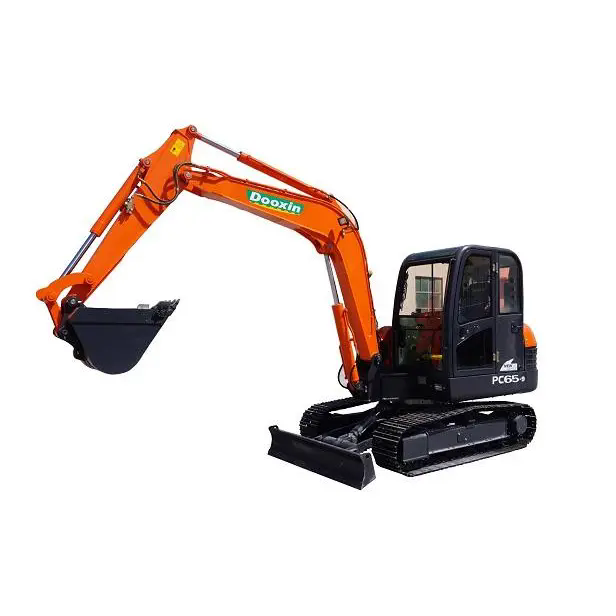
What is a Crawler Excavator and What Are Its Key Parameters?
When considering a crawler excavator, several core specifications define its capability and suitability for your applications. Below is a typical set of parameters for a medium-to-large crawler excavator (to be taken as indicative):
| Parameter | Typical Value / Description |
|---|---|
| Operating Weight | 20 ,000 kg to 120 ,000 kg depending on class. |
| Engine Power | From 150 hp up to over 400 hp for large units. |
| Bucket Capacity | From ~1 m³ up to several m³ (or 1.5-4.3 yd³ in one example) |
| Maximum Dig Depth | Depends on boom/arm length; e.g., 11 m+ (30 feet+) for many models. |
| Undercarriage Type | Steel‐track undercarriage provides low ground pressure and high traction. |
| Hydraulic System | Advanced load-sensing, variable pump, closed‐centre hydraulics. |
| Terrain & Ground Suitability | Designed for soft/uneven ground, slopes, rough terrain. |
In practice, a high-performing crawler excavator integrates engine, hydraulics, undercarriage and attachments in a balanced way to deliver strong breakout force, precise motion, and reliable operation under tough site conditions.
Why Choose a Crawler Excavator?
Versatility and Adaptability
A crawler excavator is suited for a wide range of tasks: digging trenches or foundations, lifting heavy materials, demolition, site clearance, and even material handling in rugged environments.Because the tracks distribute weight over a large area, it can operate on soft or uneven ground where wheeled machines may struggle.
2.2 Stability and Traction
Compared to wheeled excavators, the tracked undercarriage offers superior stability, especially when working on slopes or soft soils. The wider footprint reduces ground pressure and helps prevent sinking or tipping, increasing operational safety and reliability.
2.3 Efficiency, Productivity and Technological Advancements
Modern crawler excavators have seen major advances in fuel efficiency, hydraulic systems, telematics and operator comfort. For example, manufacturers cite fuel savings of 10-30 % compared with older equipment. Systems like load-sensing hydraulics and closed-centre pumps optimise flow based on task demands rather than constant full throttle.
2.4 Ground Condition Flexibility
As noted, the machine excels where terrain is uneven, muddy or otherwise difficult. That makes it a strong choice for earthmoving, mining, forestry, and infrastructure jobs in challenging locations.
2.5 Future-proofing & Regulatory Alignments
Due to stricter emission regulations and industry emphasis on sustainability, investing in a crawler excavator equipped with modern low-emission engines and telematics is a strategic choice for meeting future compliance and resale value considerations. For instance, electric or hybrid excavator models are in development.
Common Questions & Answers:
-
What is a crawler excavator primarily used for?
A crawler excavator is primarily used for digging, trenching, lifting and moving soil or materials on challenging terrain such as soft, uneven or inclined ground. -
How do I choose the right crawler excavator for my project?
Key selection criteria include digging depth/reach required, bucket capacity, undercarriage ground pressure, terrain type, available job-space and attachments needed. Matching machine weight class, hydraulic performance and stability to site conditions ensures productivity and cost-effectiveness.
3. How to Deploy a Crawler Excavator Effectively?
3.1 Assess Site Requirements & Machine Matching
Begin by analysing jobsite conditions: soil type, terrain slope, working depth, load size, required cycle rates, attachment compatibility, and transport logistics. Use the specification table from Section 1 to ensure the chosen machine supports the task. For example, if you need to dig 10 m deep and lift large loads, choose a higher-class machine with sufficient breakout force and reach.
3.2 Plan for Attachments & Flexibility
One major advantage of modern crawler excavators is attachment versatility: buckets, thumbs, grapples, breakers, tilting couplers. Ensuring that the machine accepts quick couplers or hydraulic thumb attachments enhances productivity across tasks.
3.3 Operator Comfort, Safety and Technology Integration
Operator ergonomics and safety features significantly impact productivity and machine uptime. Features like ROPS/FOPS certified cab, 360° cameras, automatic idle shut-off, telematics monitoring, and remote diagnostics help reduce downtime and enhance operational control.
3.4 Maintenance & Support Strategy
Undercarriage wear, hydraulic leaks, track tension and filter maintenance are critical to uptime and life-cycle cost. Implement a preventive maintenance schedule leveraging telematics data where available. Modern machines already integrate remote monitoring of vital signs.
3.5 Future Proofing & Site Integration
With trends pointing towards electrification, autonomy and smart site integration, selecting a crawler excavator with modular electronics, ready-for upgrades and connectivity will maximise lifespan and resale value. For example, manufacturers highlight readiness for telematics and efficient hydraulic control.
4. What’s the Future Trend for Crawler Excavators and Conclusion
The construction equipment industry is undergoing transformation: stricter emission standards, fuel cost pressures, labour shortages, and digitalisation. For crawler excavators specifically, the following trends stand out:
-
Electrification and Hybrid Powertrains – Electric/hybrid excavators are emerging, offering zero or reduced emissions and lower fuel/maintenance costs.
-
Smart Telematics & Fleet Management – Real-time monitoring of machine health, utilisation and productivity allows better ROI.
-
Automation & Assisted Operation – Integration of sensors, GPS, automation systems (such as grade control) enhance accuracy and reduce operator fatigue.
-
Sustainability & Lifecycle Value – With increased demand for environmentally-responsible equipment, investing in a well-designed crawler excavator aligned with future compliance yields long-term value.
In conclusion, the crawler excavator remains a foundational piece of heavy equipment for earth-moving, infrastructure, mining and construction applications thanks to its stability, versatility, productivity and adaptability to modern demands. By assessing your site requirements carefully, selecting the right class and integration of technology, you can maximise uptime, reduce operating costs and future-proof your investment. The brand PENGCHENG GLORY offers advanced crawler excavator solutions designed with these factors in mind. Contact us today to discuss how the right crawler excavator can become a strategic asset in your operations.