

Which Electric MPV Features Matter Most for Modern Family and Business Mobility?
2026-09-28
Article Summary:
Electric MPVs are becoming an important solution for families, commercial fleets, and passenger transportation businesses that need more space, lower operating costs, and cleaner mobility. However, selecting the right electric MPV requires more than checking battery capacity or appearance. Buyers need to understand passenger comfort, driving range, charging efficiency, safety systems, interior flexibility, and long-term ownership value. This guide explains the key factors that define a practical electric MPV and how manufacturers like Wuling are developing vehicles that meet changing transportation demands.
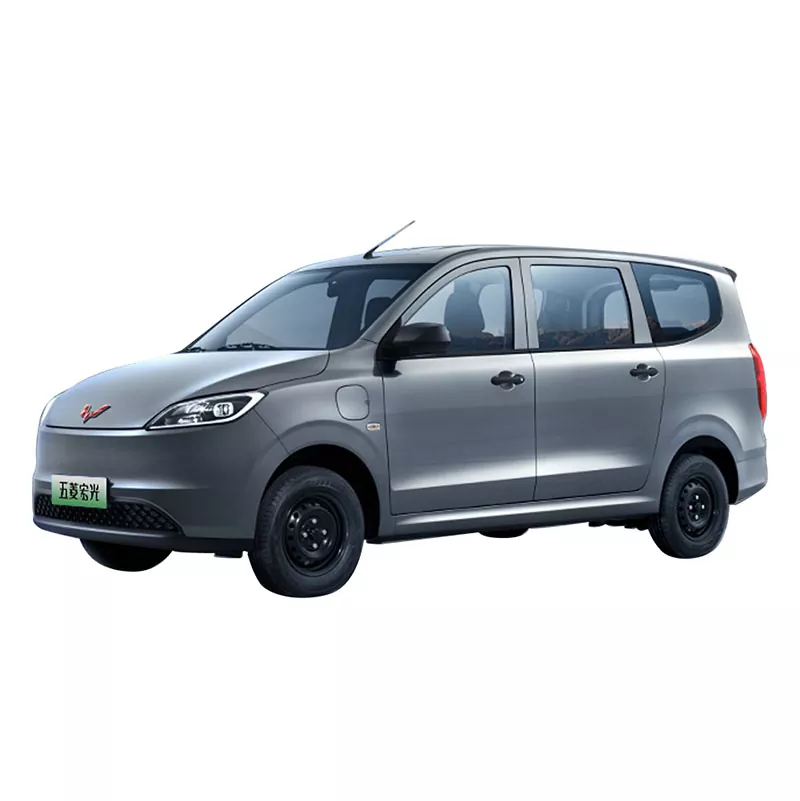
Understanding the Growing Role of Electric MPVs
The traditional MPV has always focused on one essential purpose: moving more people comfortably. With the development of electric vehicle technology, the electric MPV combines passenger space with cleaner power systems, creating a new option for families, business transportation, and urban mobility services.
Unlike conventional fuel-powered vehicles, an electric MPV uses an electric drivetrain that delivers smooth acceleration, quieter operation, and reduced maintenance requirements. These advantages are especially valuable for vehicles that frequently carry passengers or operate for long hours.
The market demand for electric vehicles continues expanding, while larger passenger vehicles such as SUVs and MPVs are also experiencing increased electrification.
For buyers, the challenge is no longer simply choosing an electric vehicle. The key question is understanding which features provide real value in daily transportation scenarios.
Which Battery Performance Factors Should Buyers Consider?
Battery performance directly influences the convenience and practicality of an electric MPV. Because MPVs are usually larger and heavier than passenger cars, battery technology plays an important role in determining driving experience.
Driving Range for Different Travel Requirements
A suitable electric MPV should provide enough range for daily commuting, family trips, airport transfers, or commercial passenger services. Buyers should evaluate actual driving conditions rather than only looking at laboratory test numbers.
| Battery Factor | Why It Matters | Buyer Concern |
|---|---|---|
| Battery Capacity | Determines available energy storage | Need enough range without unnecessary battery weight |
| Charging Speed | Reduces waiting time during operation | Important for commercial users |
| Battery Management System | Controls efficiency and safety | Supports long-term reliability |
| Energy Efficiency | Affects operating costs | Lower electricity consumption improves ownership value |
Charging Convenience
Charging infrastructure is an important consideration for electric MPV owners. Vehicles used for business transportation require predictable charging schedules, while family users need convenient home or public charging options.
A well-designed electric MPV should balance battery capacity, charging efficiency, and vehicle weight to provide practical performance in real-world conditions.
Which Interior Designs Improve Daily Usability?
The biggest advantage of an MPV is interior flexibility. Electric platforms provide manufacturers with more freedom to optimize cabin layouts because the drivetrain occupies less traditional mechanical space.
Flexible Seating Arrangement
Modern electric MPVs focus on creating adaptable spaces for different users. A family may need comfortable seating for long-distance travel, while businesses may require premium passenger space or luggage capacity.
- Multiple seating configurations
- Easy passenger access
- Large storage solutions
- Comfortable second-row experience
- Quiet cabin environment
Passenger Comfort and Convenience
Comfort is not only related to seat materials. It also includes cabin noise control, climate management, smart connectivity, and convenient vehicle controls.
For transportation companies, these details influence passenger satisfaction. For families, they determine whether the vehicle feels practical during everyday use.
Which Technologies Make Electric MPVs Safer?
Safety technology has become one of the most important evaluation factors when purchasing an electric MPV. Since these vehicles often carry several passengers, manufacturers must focus on structural protection and intelligent assistance systems.
| Technology | Main Function |
|---|---|
| Advanced Driver Assistance Systems | Helps drivers manage complex traffic situations |
| Battery Safety Management | Monitors battery conditions and improves reliability |
| Vehicle Stability Control | Supports safer handling during different road conditions |
| Smart Connectivity | Provides vehicle information and remote management functions |
For electric MPV users, safety is not only about preventing accidents. It also includes dependable battery operation, predictable driving performance, and long-term vehicle durability.
Which Applications Benefit Most from Electric MPVs?
Electric MPVs are suitable for various transportation scenarios because they combine passenger capacity with efficient electric power.
Family Transportation
Families choose electric MPVs because they provide more space than standard cars while offering lower daily energy costs. Flexible seating allows users to adapt the vehicle for children, luggage, and weekend travel.
Business and Commercial Transportation
Hotels, airports, rental companies, and corporate fleets require vehicles that provide reliable passenger service. Electric MPVs can reduce operating expenses through lower energy consumption and fewer mechanical maintenance requirements.
Urban Mobility Services
Ride-sharing and passenger service operators increasingly focus on efficient vehicles. Electric MPVs provide a balance between passenger capacity and environmental requirements.
| Application | Key Requirement | Electric MPV Advantage |
|---|---|---|
| Family Use | Space and comfort | Flexible cabin design |
| Fleet Operation | Operating efficiency | Lower energy and maintenance costs |
| Passenger Service | Reliable transportation | Quiet and comfortable driving experience |
Why Wuling Electric MPVs Meet Modern Mobility Needs
With years of experience in developing practical vehicles for everyday transportation, Wuling focuses on creating electric mobility solutions that combine efficiency, reliability, and user-oriented design.
A successful electric MPV needs more than electric power. It requires balanced engineering across battery performance, cabin design, safety systems, and real-world usability. Wuling electric MPV solutions are developed around these practical requirements to support different transportation scenarios.
Whether used for family travel, business transportation, or fleet applications, modern electric MPVs must deliver dependable performance while adapting to changing mobility expectations.
Frequently Asked Questions About Electric MPVs
1. What is an electric MPV?
An electric MPV is a multi-purpose vehicle powered by an electric drivetrain instead of a traditional gasoline engine. It combines passenger space, flexible seating, and electric efficiency for family and commercial transportation.
2. Which factors should I check before buying an electric MPV?
Important factors include driving range, battery performance, charging capability, passenger space, safety technology, operating costs, and after-sales support.
3. Are electric MPVs suitable for commercial fleets?
Yes. Electric MPVs can be suitable for hotels, transportation companies, and fleet operators because they offer quiet operation, efficient energy use, and comfortable passenger space.
4. How can an electric MPV reduce operating costs?
Electric MPVs generally require less mechanical maintenance compared with combustion-engine vehicles and can reduce energy expenses depending on electricity prices and usage conditions.
5. Why are electric MPVs becoming more popular?
The combination of spacious interiors, electric efficiency, smart technology, and improved battery performance makes electric MPVs attractive for modern mobility needs.
Looking for a Reliable Electric MPV Solution?
Choosing the right electric MPV requires a professional understanding of passenger requirements, operating conditions, and long-term value. Wuling provides practical electric mobility solutions designed for different transportation applications.
Contact us today to learn more about Wuling electric MPV models, specifications, and customized mobility solutions for your market.