

Why Are Diesel Cargo Trucks Preferred for Long-Distance and Heavy-Duty Applications?
2026-10-16
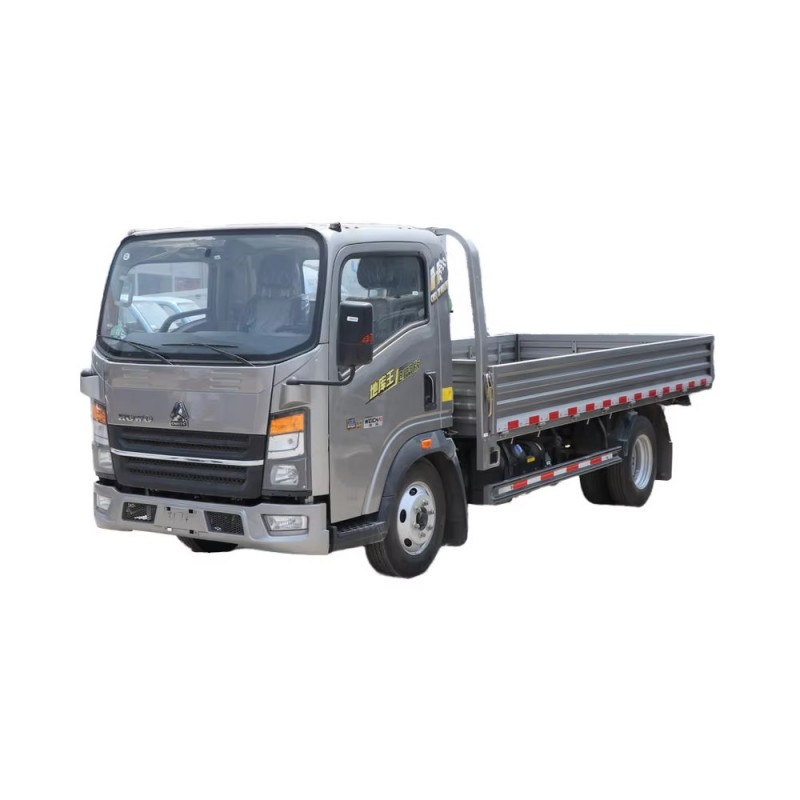
A fleet manager operates 40 Cargo Truck units on a 1,200 km route between a port and an inland distribution center. The fleet is considering replacing half the trucks with electric or natural gas alternatives. The manager runs the numbers. A diesel truck carries 600 liters of fuel, which provides a range of 1,800 km. An electric truck with a 500 kWh battery has a range of 300 km, and the route has no charging infrastructure in the middle 600 km. A CNG truck carries 200 kg of gas, which provides a range of 700 km, and the CNG station density along the route is one station every 250 km. The diesel truck completes the round trip without refueling. The electric truck cannot. The CNG truck needs one refueling stop. This guide explains why diesel remains the preferred choice for long-distance and heavy-duty cargo truck applications.
1. How Does Energy Density Determine Range and Payload?
Diesel fuel has an energy density of approximately 35.8 MJ per liter. Compressed natural gas has an energy density of 8.5 MJ per liter at 250 bar. A lithium-ion battery has an energy density of 0.5 to 0.8 MJ per liter. This means that diesel stores 4 times more energy per liter than CNG and 45 to 70 times more energy per liter than a battery. The table below shows the range and payload impact for a 40-ton gross vehicle weight cargo truck.
| Fuel type | Energy density (MJ/L) | Fuel tank volume (L) | Range (km) | Payload capacity (tons) |
| Diesel | 35.8 | 600 | 1,800 | 25 |
| CNG (250 bar) | 8.5 | 300 (equivalent) | 700 | 21 |
| LNG | 20.5 | 400 | 1,200 | 22 |
| Electric (battery) | 0.5 – 0.8 | 500 kWh (1,000 L equiv.) | 300 | 18 |
The energy density advantage of diesel translates directly to longer range and higher payload. A diesel cargo truck can carry 25 tons of cargo and travel 1,800 km on a single tank. An electric truck with the same battery volume can carry only 18 tons and travel 300 km. For long-distance haulage, the diesel truck is the only option that can complete the route without refueling or recharging. Hubei Runli Special Automobile Co., Ltd. manufactures diesel cargo trucks for long-distance and heavy-duty applications.
2. How Does Torque Characteristics Affect Heavy-Duty Performance?
The torque characteristics of the engine determine the truck's ability to start from a stop, climb grades, and maintain speed under load. A diesel engine produces peak torque at low RPM (1,200 to 1,800 RPM). This means the engine can pull a heavy load without downshifting. A natural gas engine produces peak torque at higher RPM (1,600 to 2,200 RPM) and has less torque at low RPM. An electric motor produces maximum torque at zero RPM, but the torque falls off as the speed increases. The table below compares the torque characteristics of the three engine types.
| Engine type | Peak torque (Nm) | RPM at peak torque | Gradeability (15% slope, 40 tons) | Highway cruise speed |
| Diesel (12L) | 2,300 | 1,200 | 35 km/h | 90 km/h |
| CNG (12L) | 1,800 | 1,600 | 25 km/h | 80 km/h |
| Electric (500 kWh) | 3,000 | 0 | 30 km/h (limited by battery) | 85 km/h |
The diesel engine's low-RPM torque allows the cargo truck to maintain a higher speed on grades. On a 15 percent slope with a 40-ton load, the diesel truck can climb at 35 km/h, while the CNG truck climbs at 25 km/h. The electric truck can climb at 30 km/h, but the battery drains rapidly, and the range is reduced by 40 percent on the grade. In our factory, we specify diesel engines with high torque at low RPM for heavy-duty cargo truck applications. Hubei Runli Special Automobile Co., Ltd. offers engine options from 300 to 550 horsepower.
3. What Is the Total Cost of Ownership Comparison?
The total cost of ownership includes the purchase price, the fuel cost, the maintenance cost, and the resale value. The table below compares the five-year total cost of ownership for a 40-ton cargo truck in long-distance service.
| Cost component | Diesel | CNG | Electric |
| Purchase price | $120,000 | $145,000 | $220,000 |
| Fuel cost per 100 km | $45 | $38 | $30 (electricity) |
| Annual distance (km) | 150,000 | 150,000 | 150,000 |
| Annual fuel cost | $67,500 | $57,000 | $45,000 |
| Annual maintenance cost | $8,000 | $10,000 | $5,000 |
| Resale value after 5 years | $45,000 | $35,000 | $30,000 |
| Five-year total cost | $422,500 | $455,000 | $500,000 |
Fleet manager's calculation: The diesel cargo truck has the lowest five-year total cost of ownership despite having a higher fuel cost per 100 km than the electric truck. The reasons are the lower purchase price, the higher resale value, and the lower maintenance cost compared to CNG. The electric truck has the lowest fuel and maintenance cost, but the high purchase price and low resale value make it the most expensive over five years. For a fleet that operates 150,000 km per year, the diesel truck saves $77,500 over five years compared to the electric truck. In our factory, we provide a total cost of ownership calculator for fleet managers.
4. How Does Refueling Infrastructure Affect Operational Flexibility?
Diesel refueling infrastructure is ubiquitous. There are over 150,000 diesel fueling stations in the United States and over 100,000 in Europe. CNG stations number in the thousands, and electric charging stations for heavy trucks are still limited. The table below shows the infrastructure density and refueling time for each fuel type.
| Fuel type | Station count (US) | Refueling time | Route flexibility |
| Diesel | 150,000+ | 10 – 15 minutes | Unlimited |
| CNG | 1,500 – 2,000 | 20 – 30 minutes | Limited to station corridors |
| Electric (fast charge) | 500 – 1,000 (heavy truck) | 60 – 90 minutes | Limited to charging corridors |
The diesel refueling network allows a cargo truck to operate on any route without planning for refueling stops. A CNG truck must plan its route around CNG stations, which may require detours. An electric truck must plan its route around charging stations and must account for the charging time, which adds 1 to 2 hours per day. In our factory, we recommend diesel cargo trucks for fleets that operate on variable routes or in regions with limited alternative fuel infrastructure. Hubei Runli Special Automobile Co., Ltd. provides route analysis and fuel planning support for fleet operators.
Frequently Asked Questions About Diesel Cargo Trucks for Long-Distance and Heavy-Duty Applications
Summary for Fleet Managers and Logistics Operators
Diesel cargo trucks are preferred for long-distance and heavy-duty applications because of their high energy density, low-RPM torque characteristics, lower total cost of ownership, and ubiquitous refueling infrastructure. The energy density of diesel provides a range of 1,800 km on a single tank, which is 6 times the range of an electric truck. The low-RPM torque allows the truck to climb grades at higher speeds. The total cost of ownership is lower than CNG and electric over five years. The refueling infrastructure allows unlimited route flexibility. Hubei Runli Special Automobile Co., Ltd. has been manufacturing diesel cargo trucks for over 15 years and provides full fleet support for our customers.
Hubei Runli Special Automobile Co., Ltd. manufactures diesel Cargo Truck units for long-distance and heavy-duty applications. We provide fuel consumption maps, total cost of ownership calculators, and route analysis for fleet operators.