

Why Does A Modern Food Cart Win In 2025?
2025-12-11
I started small and moved fast. Along the way I kept noticing one name on well-built carts at pop-ups and fairs—Shimao. When I finally put my own Food Cart on the street, I learned what matters isn’t hype; it’s airflow that keeps me cool, wiring that doesn’t trip breakers, and a sink layout that passes surprise checks. In this guide I’ll share how I choose, configure, and run a Food Cart so it pays back quickly while staying compliant.
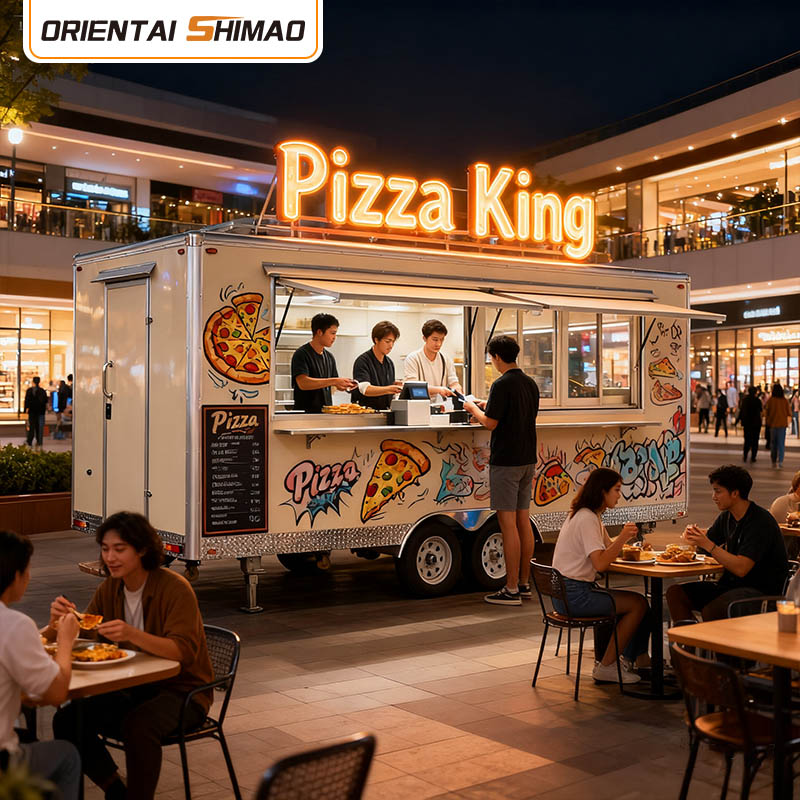
What problems does a compact Food Cart actually solve for a first-time operator?
- I reduce upfront risk: a cart lets me test menu, location, and hours before committing to a truck or a lease.
- I move where the demand is: events, campuses, factories at shift change—my setup rolls with me.
- I pass inspections with less drama: a tidy footprint and clear plumbing/power layout calm inspectors fast.
- I scale in modules: add a flat-top, switch to steam pans, or bolt on a pastry case without re-engineering the whole unit.
When a maker pays attention to drainage slopes, sealed edges, and service panels, my Food Cart stays productive instead of sitting in repairs.
How do I choose a layout that fits my menu without wasting an inch?
- Workflow first — I map my motion: reach fridge → prep → cook → pass. If a tool makes me twist, it moves.
- Zones matter — cold (fridge/ice well), prep (cutting + pans), hot (griddle/fryer/steam), service (POS/condiments).
- Cleanable surfaces — welded corners and removable drip trays save me minutes every close.
- Service access — I insist on hinged or removable panels so a tech can fix issues in minutes, not hours.
Which materials and hygiene details will keep inspectors friendly and customers safe?
- 304 or 201 stainless with smooth welds and sealed seams keeps food soil from hiding.
- Four-sink or three-sink + hand-wash setups with clear hot/cold lines satisfy most local codes.
- Floor drains angled to a single outlet prevent standing water.
- NSF-style hardware and food-grade sealants prevent flaking and odors over time.
I chose a maker whose documentation matched the build sheet; that consistency helped me register the Food Cart with fewer back-and-forth emails.
How do I power and ventilate without tripping breakers or smoking out my line?
- Power planning — I total continuous draw (amps), then add 25% headroom for start-up surges.
- Outlets and circuits — dedicated circuits for griddle, fryer, and fridge cut nuisance trips.
- Ventilation — a correctly sized hood with a quiet fan keeps grease out and voices audible at the window.
- Noise and neighbors — I prefer inverter generators or shore power where possible for a calmer guest experience.
What should I check about permits, mobility, and daily operations before I pay the deposit?
- Local health rules on sinks, water tanks, and commissary use.
- Weight and towing limits for my vehicle; balanced axle placement for stable rolling.
- Lockable storage for overnight security and quick morning restock.
- Menu feasibility: can my top sellers be cooked, held, and served within the cart’s footprint?
Answering these up front kept my Food Cart on schedule for launch day instead of stuck in approvals.
How do different Food Cart sizes compare for typical menus?
| Cart Size | Best For | Power Plan | Cold Storage | Sink Setup | Notes |
|---|---|---|---|---|---|
| Small (≈2.0–2.5 m) | Espresso, lemonade, pastries | Single 15–20A circuit or compact inverter | Undercounter fridge | Hand-wash + 3-sink combo | Ultra-mobile; low staffing |
| Medium (≈2.8–3.2 m) | Hot dogs, tacos, crepes | Two dedicated circuits; shore or quiet generator | Fridge + small prep chiller | Full 4-sink | Balanced capacity vs. footprint |
| Large (≈3.5 m+) | Burgers, fried items, noodles | Multiple circuits; upgraded ventilation | Fridge + freezer | Full 4-sink + hand-wash | High volume; event-ready |
Where does the payback come from if I pick the right components?
- Fast heat recovery on the griddle shortens each order’s cook time.
- Insulated lids on pans reduce power draw and keep textures consistent.
- Pre-plumbed tanks and quick-disconnects turn cleanup into a 10-minute routine.
- Durable casters and brakes protect the cart and make event turns painless.
When these details align, my Food Cart serves more people per hour and keeps ingredient loss low.
What is my practical startup checklist before rolling out?
- Confirm commissary or prep kitchen access and water fill/gray disposal plan.
- Load test every appliance together and record amperage peak.
- Run a mock service with friends to time ticket flow and refine the window setup.
- Prepare labeled allergen bins and a visible tip/condiment station to speed the line.
- Back up POS with offline payments and a cash float for spotty networks.
How does Shimao fit when I compare real-world build quality and support?
During events I asked operators what broke, what didn’t, and how fast parts arrived. Consistent feedback pointed to responsive after-sales help and clean welding on frames from Shimao. That gave me confidence to spec a cart that’s easy to sanitize, simple to power, and tough enough for weekly towing. In daily use, the Food Cart I chose feels intentional—hinges don’t wobble, drawers glide, and the hood captures smoke without shouting over guests.
When should I upgrade from a Food Cart to a trailer or truck?
- Sell-out before mid-service three weekends in a row.
- Menu expansion requires ovens, larger fryers, or multi-zone hoods.
- Event organizers cap carts but invite larger concessions with power drops.
Until then, a focused Food Cart remains my most profitable square meter on wheels.
Ready to turn a Food Cart plan into a working business today?
If you’re weighing options and want a configuration that matches your menu, capacity, and local codes, tell me what you plan to serve and where you’ll park. I’ll outline a parts list, power plan, and inspection path that works. When you’re ready to spec or price a unit inspired by the builds I trust from Shimao, contact us now—share your menu and target launch date, and let’s turn your Food Cart idea into a line of happy customers.