
Why Is the T-Series Cargo Truck the Versatile Workhorse for Regional Distribution?
2026-11-25
What Makes the T-Series Suitable for Regional Distribution?
The T-Series Cargo Truck is positioned for regional distribution, where transport operators need a practical balance between payload, road performance, operating costs and delivery flexibility. Unlike vehicles designed exclusively for short urban routes or demanding heavy-haul applications, this series is intended to serve the daily movement of goods between cities, industrial areas, regional warehouses and local distribution centres. Its role is to keep freight moving reliably across mixed routes without requiring a specialised vehicle for every delivery task.
Regional distribution usually involves more than motorway driving. A typical delivery schedule may include expressway sections, national roads, industrial estates, loading yards and smaller roads near customer premises. Vehicles must handle changing traffic conditions, different road surfaces and repeated loading and unloading. A suitable chassis, an appropriately matched powertrain and a cargo body designed around the freight are therefore important to day-to-day productivity.
Runli positions its F-Series for last-mile urban logistics, the T-Series for regional distribution and the X-Series for more demanding heavy-haul and construction work. This product positioning gives fleet buyers a useful starting point when comparing vehicle classes. The T-Series is intended to bridge the gap between compact delivery vehicles and heavier transport equipment, making it relevant to operators whose routes regularly extend beyond a single city.
For distributors, wholesalers and logistics contractors, versatility means being able to complete different types of delivery work with a consistent vehicle platform. A regional vehicle may carry packaged goods in the morning, industrial supplies in the afternoon and palletised products on another route. The appropriate body configuration, payload rating and loading arrangement determine how effectively it can handle these jobs. Our route planning should therefore begin with actual freight profiles rather than choosing a vehicle based only on its appearance or general category.
How Do Chassis, Powertrain and Body Options Support Different Loads?
The chassis is the foundation of a commercial vehicle. It supports the cab, engine, transmission, axles, suspension and cargo body while transferring the forces generated by acceleration, braking, cornering and uneven road surfaces. For regional transport, the chassis must be matched to the expected gross vehicle weight, axle loads and body configuration. A mismatch can affect handling, tyre wear, braking performance and component durability.
Diesel power is a relevant consideration for this vehicle class. The manufacturer's published range information identifies diesel engines in the T-Series and X-Series. For distribution work, buyers should pay particular attention to the engine's torque curve rather than horsepower alone. Torque available across the normal operating range influences how the vehicle moves away from a loading bay, climbs gradients and maintains speed with a loaded body. Engine output should be evaluated alongside transmission ratios, axle ratio, vehicle weight and the terrain covered by the fleet.
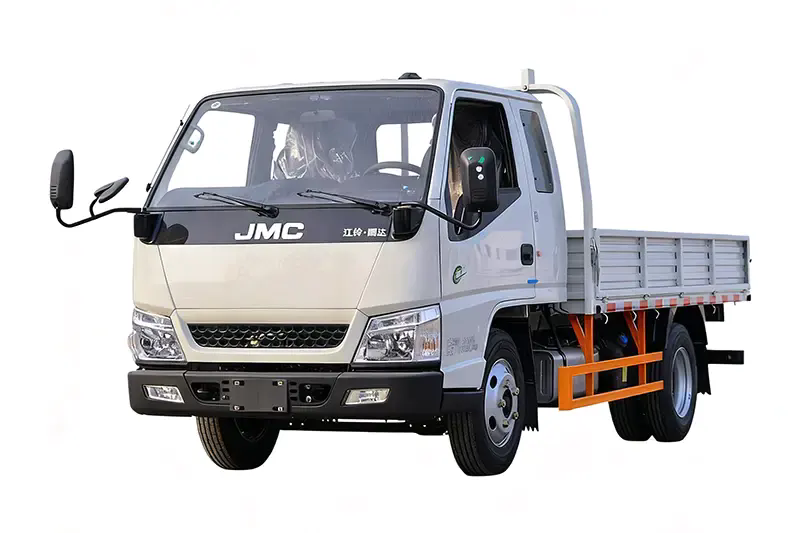
Body selection is equally important. Different freight types require different loading arrangements and levels of cargo protection. A dry van body can protect cartons and packaged products from weather and unauthorised access. A stake or dropside body can make loading bulky materials easier when side access is required. A refrigerated body is relevant to temperature-controlled goods, while a utility body may suit service and maintenance operations. These are body types identified within the manufacturer's broader vehicle offering; compatibility with a particular T-Series chassis must be confirmed for the selected model and market.
The following table separates the available series-level information from specifications that need to be confirmed for an individual vehicle.
| Technical Item | Available T-Series Information | What Buyers Should Confirm |
| Vehicle application | Regional distribution | Route distance, freight type and daily delivery schedule |
| Powertrain | Diesel-powered series positioning | Engine manufacturer, model, displacement, rated power and torque |
| Transmission | Model-specific details not stated in the available series information | Transmission type, number of forward gears and gear ratios |
| Chassis and drive layout | Configuration depends on the selected vehicle | Drive type, axle arrangement, wheelbase and frame specifications |
| Payload and gross vehicle weight | Not stated as one standard value for the entire series | Rated payload, gross vehicle weight and front and rear axle ratings |
| Cargo body | Body selection depends on the intended application | Body type, internal dimensions, floor design and loading access |
| Braking and suspension | Model-specific details require confirmation | Brake system, suspension type, tyre specification and safety equipment |
| Emissions compliance | Depends on engine and destination market | Applicable emissions standard and vehicle homologation documents |
This distinction matters because a regional distribution vehicle is not defined by one universal engine or payload figure. A chassis intended for a lighter enclosed body may have different specifications from a configuration designed to carry heavier freight. Our product assessment should match the engine, transmission, axle ratings and body dimensions to the intended operating weight and local road regulations.
Hubei Runli Special Automobile Co., Ltd. offers a range of logistics transportation vehicles and works with established chassis manufacturers. Its broader product portfolio includes different cargo and specialised vehicle configurations. Buyers should provide the intended freight type and body requirements so that the available chassis and body combination can be checked against the actual application.
Why Does Versatility Matter Across Regional Delivery Routes?
Regional distribution networks connect manufacturers, wholesalers, warehouses, retail outlets and business customers. Delivery routes can vary considerably from one day to the next. A vehicle may travel on high-speed roads between cities before entering a congested industrial park or a smaller commercial street. This combination places demands on manoeuvrability, power delivery, braking, visibility and cargo security.
A well-matched regional vehicle can reduce the need to divide routine deliveries among several vehicle classes. For example, an enclosed body may suit packaged consumer goods, electrical products and cartons that need protection from rain and road dust. A dropside or stake body may be more practical for construction supplies or goods that are loaded by forklift from the side. The correct choice depends on the shape, weight, handling method and protection requirements of the freight.
Loading efficiency has a direct effect on delivery schedules. Door design, tailgate access, floor height and internal body dimensions influence how quickly goods can be loaded and unloaded. If the vehicle is regularly loaded with pallets, buyers should check whether the body dimensions and access arrangement are compatible with the pallet sizes and handling equipment used at their facilities. If goods are handled manually, access height and safe working space may be more important.
Regional routes also involve different road conditions. Suspension selection, tyre capacity, ground clearance and axle configuration should be considered in relation to the expected route. Operators covering well-maintained highways may prioritise fuel economy and ride comfort, while fleets serving rural or industrial routes may need to pay closer attention to road clearance, traction and durability. These choices should be made from the actual chassis specification, not from a general assumption about the series.
For a mixed delivery fleet, our body selection process should consider how often the vehicle will be reassigned between routes. A versatile body can improve utilisation when freight patterns change, but adding unnecessary equipment can increase tare weight and reduce available payload. The best configuration is the one that performs the required work without carrying equipment that the operation rarely uses.
How Can Operators Control Fuel, Maintenance and Fleet Costs?
Purchase price is only one part of the cost of operating a regional distribution vehicle. Fleet managers also need to account for fuel consumption, scheduled servicing, tyres, brake components, insurance, driver time, downtime and resale value. These costs are influenced by vehicle specification and operating practice. A truck that is too large for its usual freight may consume more fuel than necessary, while an under-specified vehicle may be frequently overloaded or work outside its intended operating range.
Fuel economy should be assessed under representative operating conditions. Engine performance, transmission ratios, axle ratio, vehicle weight, body aerodynamics, tyre pressure, route gradients, traffic and driving style all affect consumption. Buyers should request fuel consumption information for the specific configuration and, where possible, compare it with operating data from similar routes. A single laboratory or promotional figure should not be treated as a guaranteed result for every fleet.
Preventive maintenance is essential for keeping vehicles available. Engine oil and filter changes, fuel system checks, cooling system inspection, brake servicing, tyre monitoring and chassis inspections should follow the vehicle manufacturer's maintenance schedule. Severe operating conditions, including frequent stop-start driving, dusty roads, heavy loads and long periods of idling, may require additional attention. Our maintenance plan should reflect the real duty cycle rather than relying on a generic service interval.
Driver behaviour also influences operating costs. Smooth acceleration, appropriate gear selection, safe following distances and avoiding unnecessary idling can reduce mechanical stress and fuel use. Drivers should carry out routine walk-around checks before starting a shift, paying attention to tyres, lights, mirrors, visible leaks, load security and obvious damage. Early reporting of faults can prevent minor issues from becoming costly roadside breakdowns.
Fleet operators can use a simple set of indicators to assess vehicle performance over time:
- Fuel consumption per 100 kilometres or per delivery route.
- Payload utilisation compared with the vehicle's rated capacity.
- Maintenance cost per kilometre and frequency of unscheduled repairs.
- Vehicle availability and downtime during scheduled working days.
- Average loading and unloading time at customer locations.
- Tyre wear patterns and brake service frequency.
These figures help managers identify whether the selected configuration suits the work. For example, consistently low payload utilisation may indicate that a smaller vehicle would be more economical. Frequent brake wear on routes with steep gradients may call for a review of driving practices, route planning and vehicle suitability. Our fleet review should use operating records to guide future purchases instead of relying only on initial expectations.
What Should Buyers Check Before Ordering a T-Series Vehicle?
Before placing an order, buyers should prepare a clear vehicle specification based on the freight and route. The first step is to define the normal and maximum cargo weight, cargo volume, loading method and delivery frequency. It is also important to identify whether goods need weather protection, temperature control, side loading, rear loading or specialised body equipment. These details help determine the required chassis and body combination.
Next, buyers should check the vehicle's legal and technical suitability for the destination market. Gross vehicle weight, axle limits, dimensions, lighting, braking equipment, emissions compliance and registration requirements may vary by country. A configuration that is suitable for one market may require changes before it can be registered or operated in another. Importers should confirm homologation and documentation requirements with the relevant local authorities before shipment.
| Purchasing Check | Information to Prepare | Reason for Verification |
| Freight profile | Typical cargo weight, volume, dimensions and handling method | Determines the required payload and body configuration |
| Route conditions | Highway mileage, urban access, gradients and road surface | Helps match the powertrain, chassis and running gear to the route |
| Vehicle dimensions | Overall length, width, height and wheelbase | Checks access restrictions, loading areas and local road limits |
| Rated capacity | Gross vehicle weight, axle ratings and rated payload | Supports legal loading and safe vehicle operation |
| Powertrain details | Engine model, power, torque and transmission specification | Confirms performance suitability for the operating cycle |
| Body configuration | Body material, internal dimensions, doors and loading equipment | Ensures compatibility with the goods and warehouse processes |
| Market compliance | Emissions, safety, registration and import documents | Reduces the risk of delays during vehicle approval and registration |
| After-sales support | Warranty terms, service arrangements and spare parts availability | Helps plan maintenance and minimise fleet downtime |
Hubei Runli Special Automobile Co., Ltd. reports a manufacturing site covering approximately 110,000 square metres, including a 45,000-square-metre production workshop, with four automated special vehicle production lines and 886 sets of major production and testing equipment. The company also describes a domestic service network supported by 21 offices and service outlets and 103 sales agents. These company-level resources are relevant when buyers assess manufacturing capacity and service arrangements, but the exact support available in an overseas market should be confirmed for each order.
Our factory review should include the proposed vehicle drawings, technical specification, body details and inspection requirements. Buyers should request confirmation of the exact engine, transmission, chassis, rated capacity, dimensions and destination-market compliance for the selected unit. If a fleet order includes several configurations, each version should be documented separately so that the delivered vehicles can be checked against the purchase agreement.
Hubei Runli Special Automobile Co., Ltd. can be contacted with the required payload, route profile, cargo body preference and destination market to discuss a suitable configuration. A detailed specification review before production helps align the vehicle with the operator's distribution tasks and reduces the chance of costly changes after delivery.
The T-Series earns its place in regional distribution through its intended position between urban delivery vehicles and heavier transport equipment. Its practical value depends on selecting the right diesel powertrain, chassis, payload rating and cargo body for the work. When these elements are matched to actual routes and freight requirements, operators can build a more efficient distribution fleet with predictable running costs and dependable daily performance.
Contact Hubei Runli Special Automobile Co., Ltd. with your freight details, delivery routes and vehicle requirements to request a model-specific quotation and technical specification. Our team can help review the available configuration and clarify the information needed for your regional distribution project.
Frequently Asked Questions
What type of business is the T-Series designed to serve?
The T-Series is positioned for regional distribution, making it relevant to logistics operators, wholesalers, manufacturers and distributors moving goods between cities, warehouses and commercial customers. Its suitability for a particular business depends on payload, cargo volume, route conditions and the selected body configuration. Buyers should compare these operating requirements with the exact vehicle specification before making a purchase decision.
Can the T-Series be configured with different cargo bodies?
Different body types are available across the manufacturer's broader vehicle range, including enclosed dry van, stake or dropside, refrigerated and utility configurations. However, not every body is necessarily compatible with every chassis or T-Series model. The buyer should confirm chassis compatibility, body dimensions, weight, axle loading and any required auxiliary equipment for the specific configuration.
Which technical specifications should be confirmed before importing a regional distribution vehicle?
Importers should confirm the engine model and output, transmission, drive layout, wheelbase, overall dimensions, gross vehicle weight, rated payload, axle ratings, braking system, emissions standard and cargo body details. They should also check local homologation, registration and import requirements. These details determine whether the vehicle can legally operate in the destination market and perform the intended delivery work.